The Short Answer
Most
commercial HVAC systems
should be professionally serviced at least twice a year, typically once in spring before cooling season and once in fall before heating season, though systems with heavier use or more complex equipment may need quarterly visits. The right frequency for your specific building depends on the type of system you have, how much it runs, and how many zones or units are involved.
For business owners in Aberdeen Township, this question carries real financial weight. An HVAC failure during business hours can mean uncomfortable employees, frustrated customers, or in some cases a temporary closure. Understanding how often service should happen, and why that number changes from one building to the next, helps you plan a schedule that actually protects your equipment rather than guessing at a generic recommendation.
This article covers what drives service frequency, what a typical visit includes, and how to think through a schedule that fits your specific property.
Why Service Frequency Differs by System Type
Rooftop Units
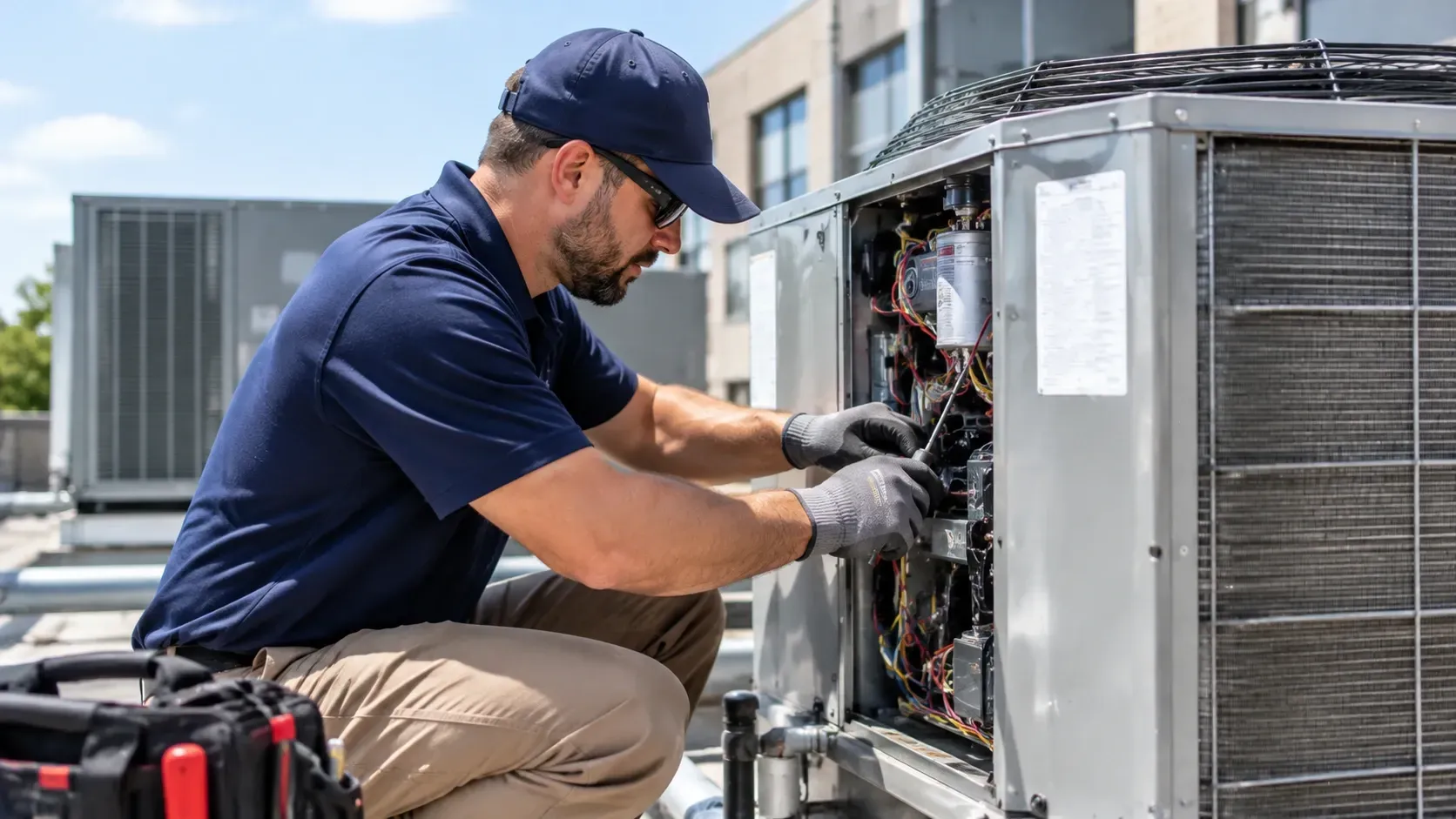
Rooftop units are common on commercial buildings and are exposed to weather year-round, which can accelerate wear on components like coils and electrical connections. These systems often benefit from service twice a year at minimum, sometimes more if the building has heavy use or the unit serves a large space.
Split Systems and Multi-Zone Setups
Smaller commercial properties with split systems similar to residential setups, just larger, may follow a schedule closer to twice-yearly service. Variable refrigerant flow systems and multi-zone setups involve more components and more potential points of failure, so these often warrant quarterly checks instead, since catching a small issue in one zone before it affects the whole system can prevent a larger, more disruptive repair.
What a Typical Maintenance Visit Covers
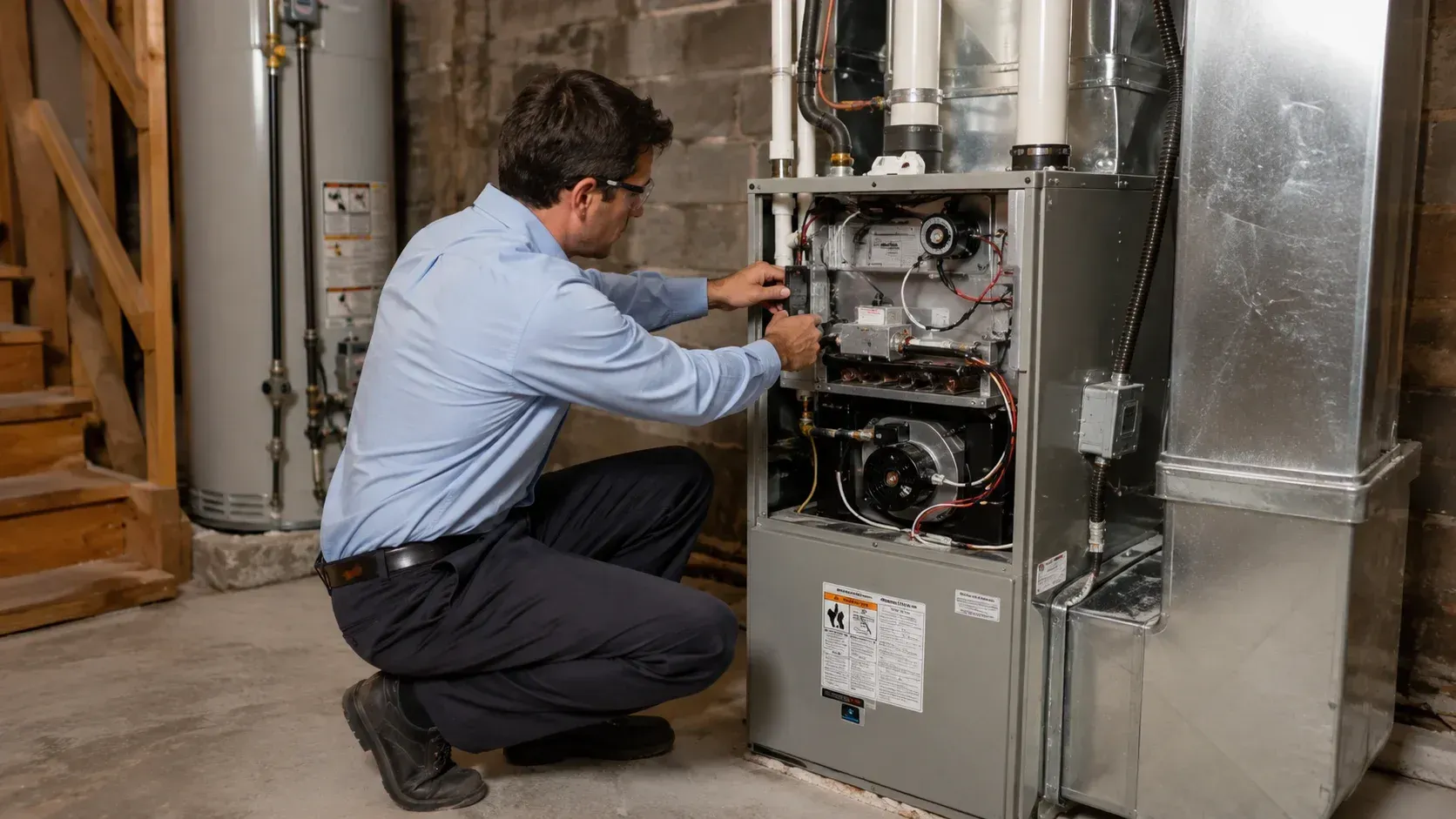
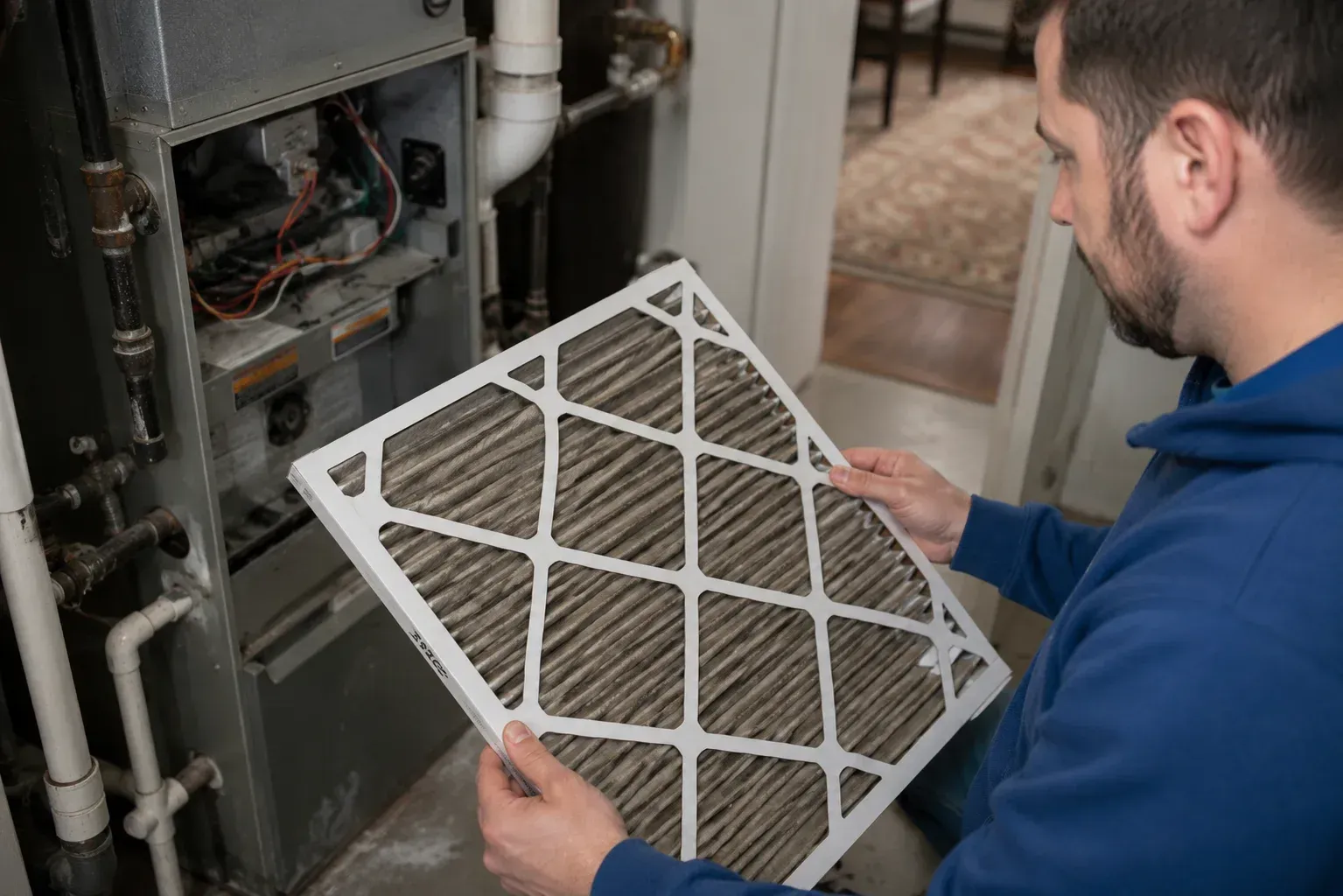
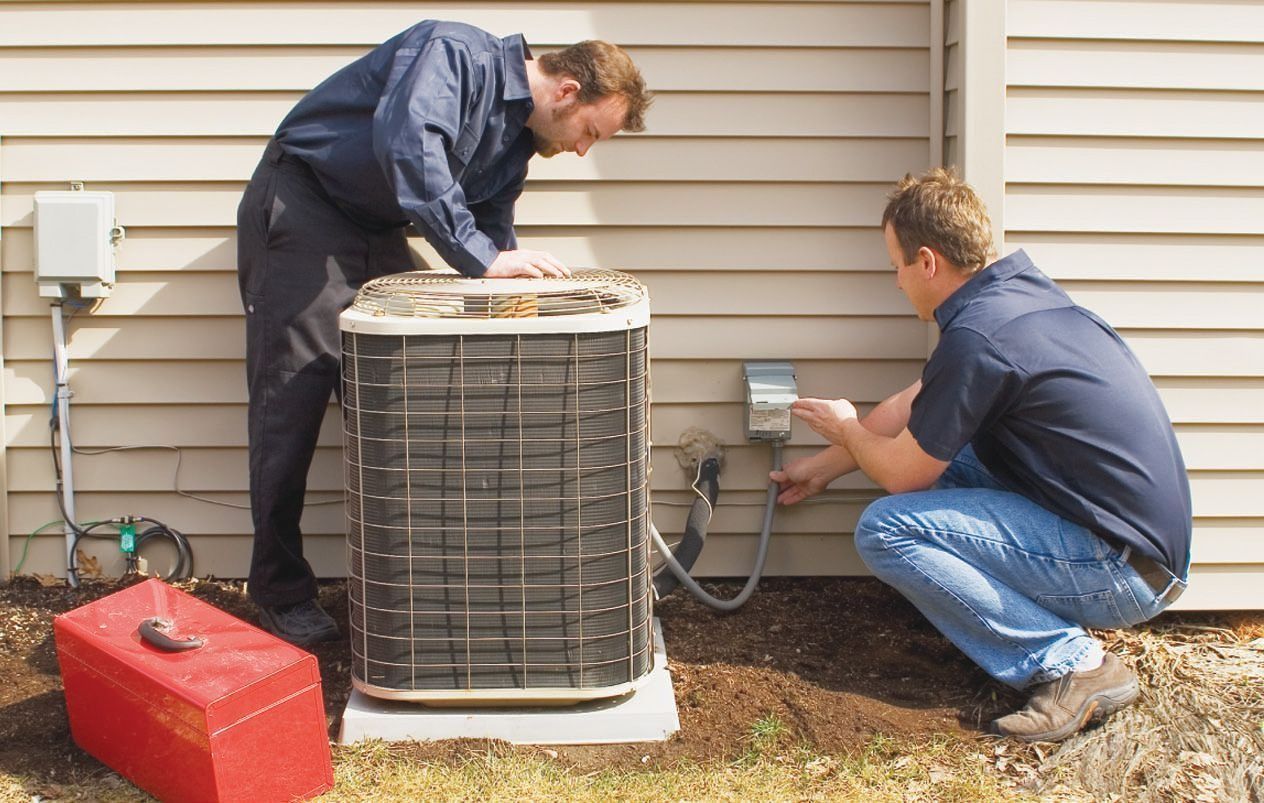
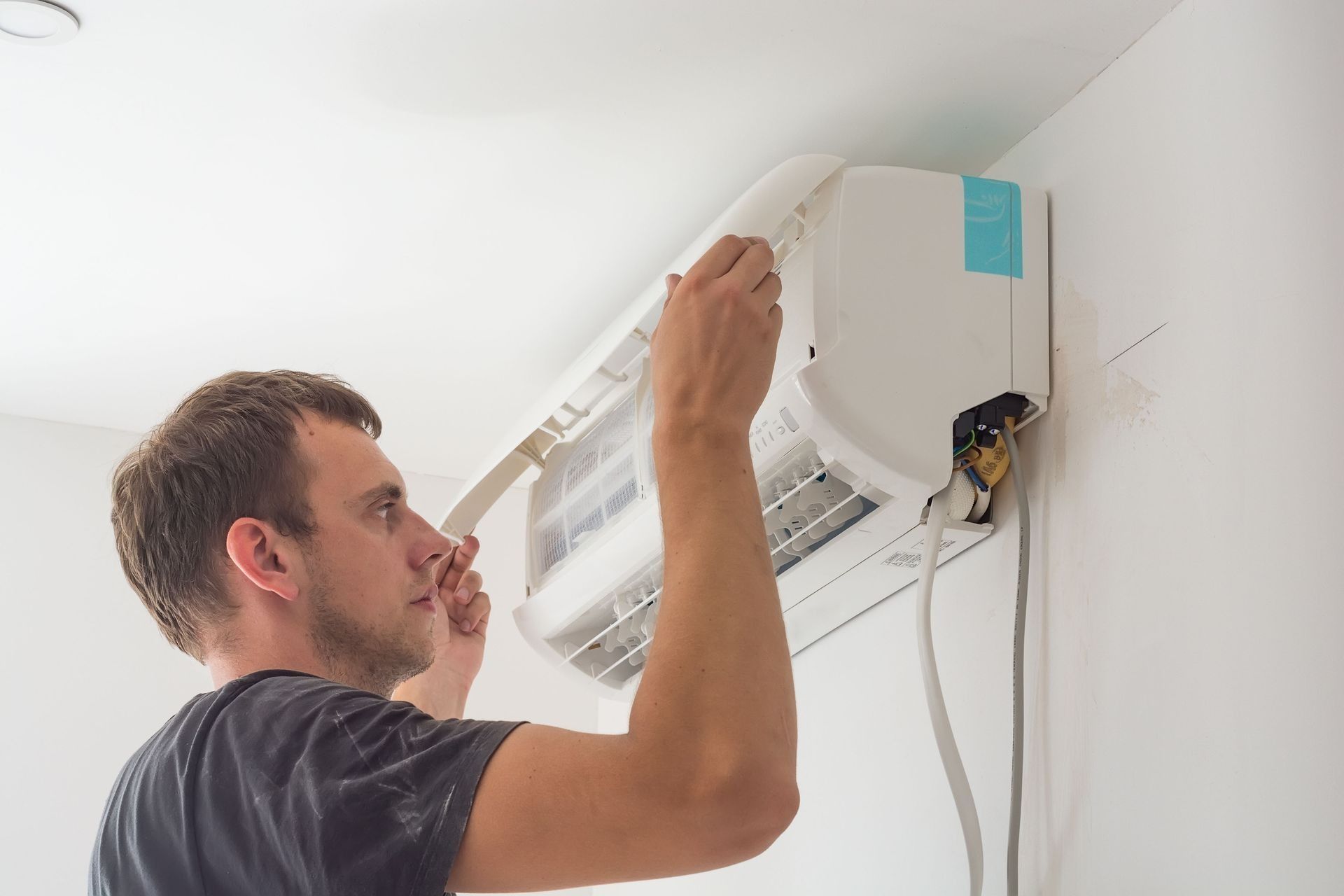
Inspection and cleaning. A standard visit usually includes checking refrigerant levels, inspecting electrical connections, cleaning or replacing filters, and clearing debris from coils and drain lines. These steps address the most common causes of reduced efficiency and unexpected breakdowns.
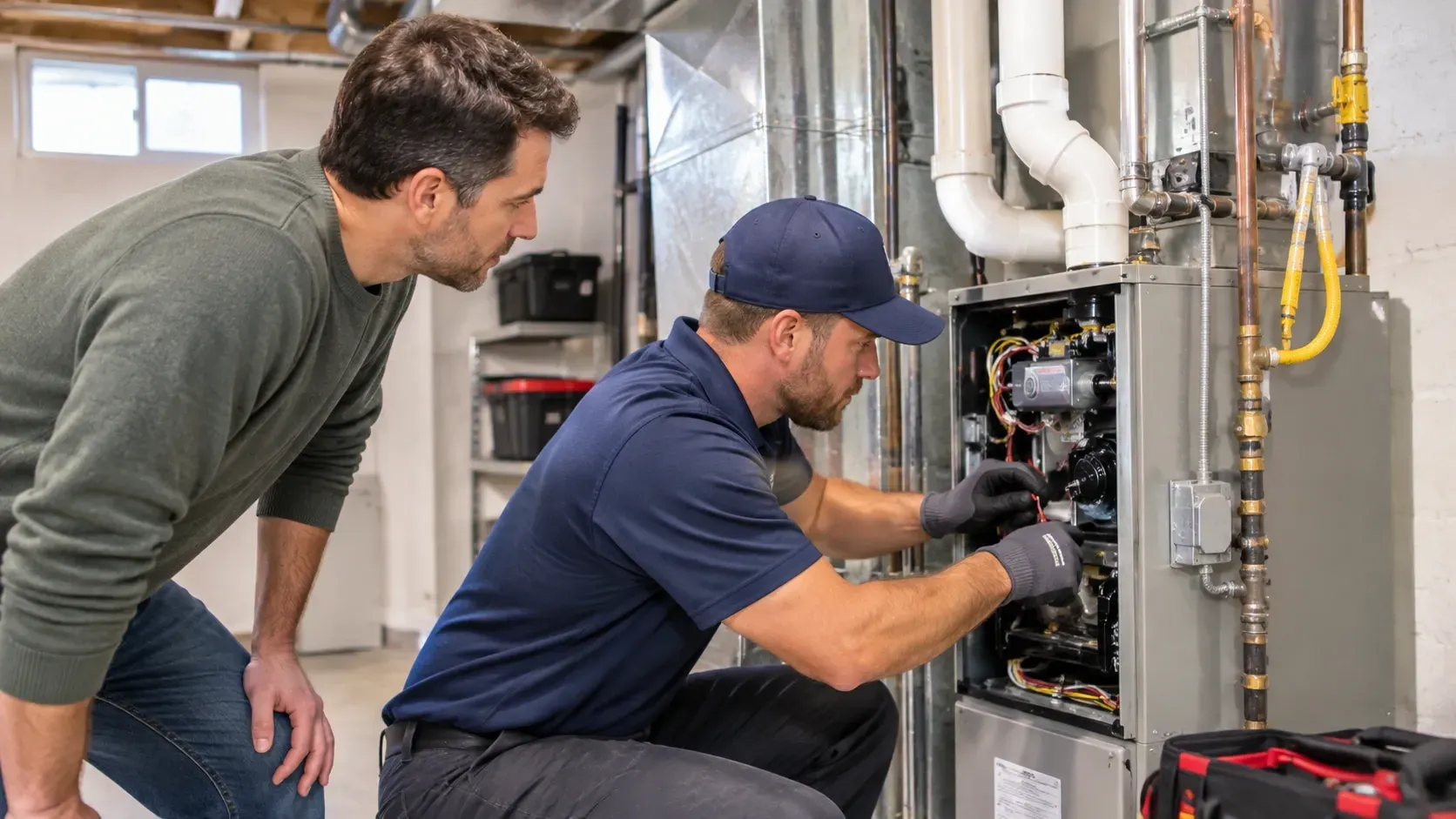
Safety and performance checks. Technicians typically test safety controls, check for unusual noises or vibration, and verify that the system is reaching its expected temperature output. For gas-fired heating equipment, this often includes checking for proper combustion and venting.
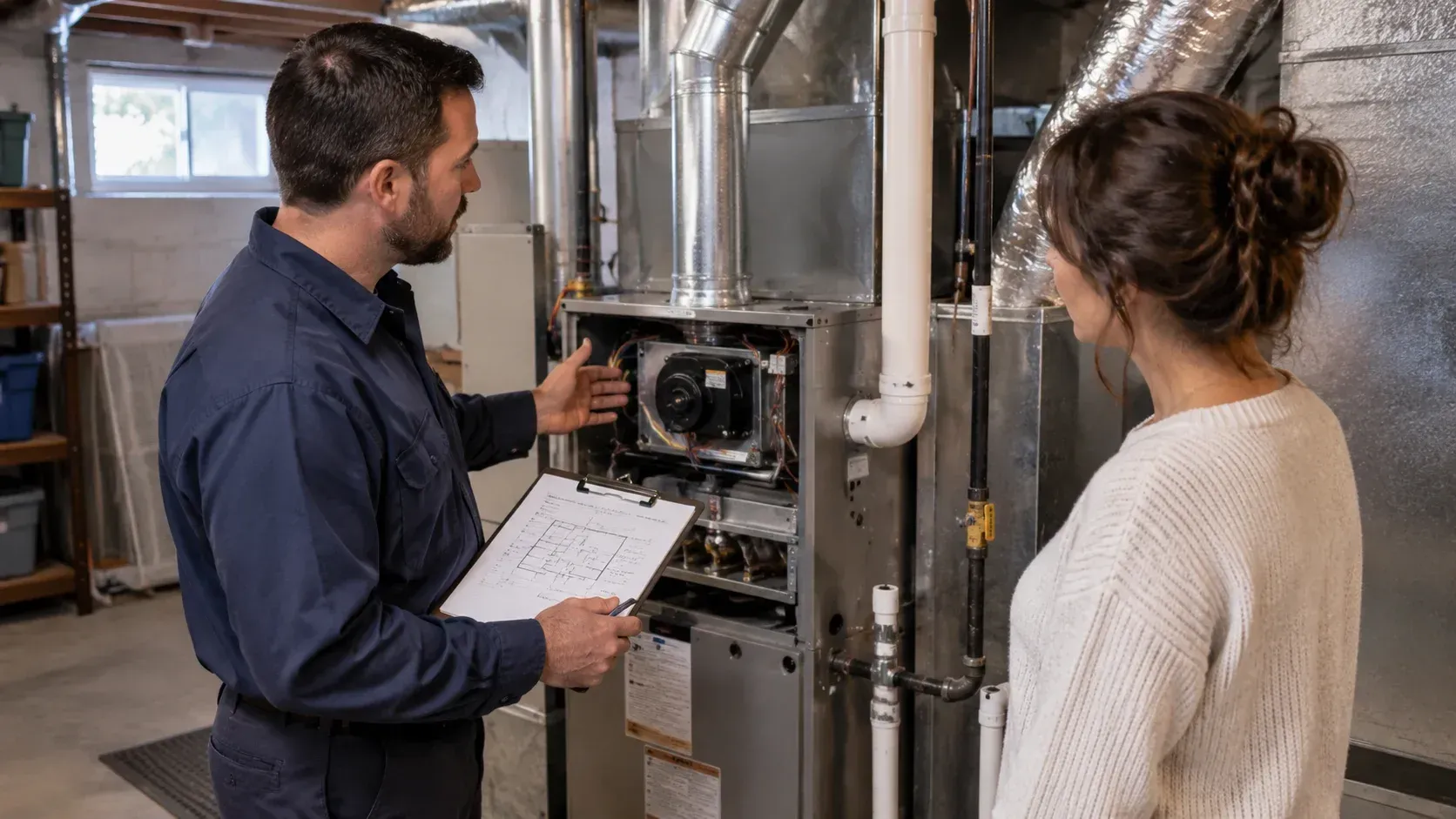
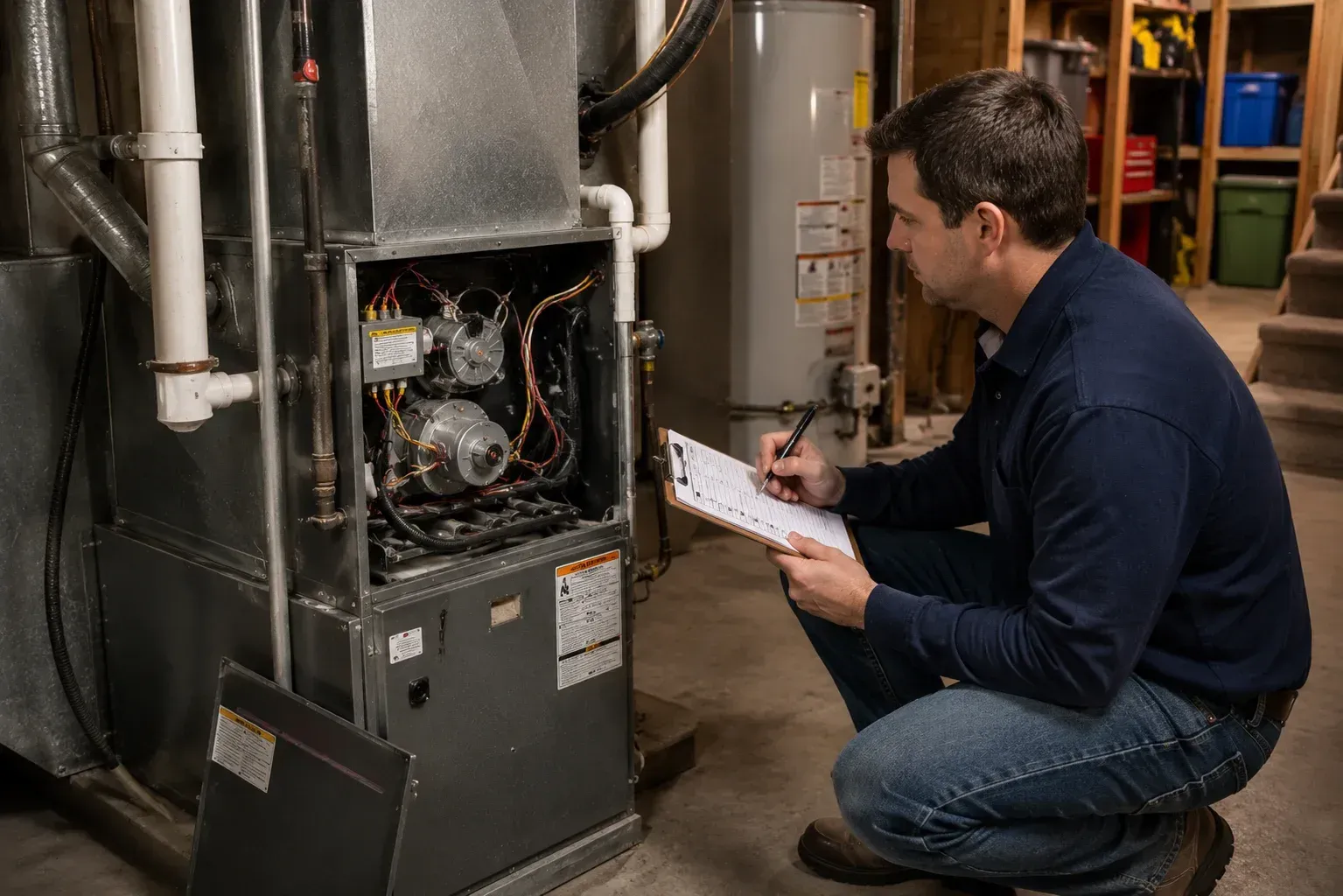
Documentation. A thorough visit includes written notes on what was checked, what was found, and any recommendations for repair or replacement. This record becomes useful over time, since it helps you and your technician track how a system's condition changes from one visit to the next.
What Affects How Often Your System Needs Service
Hours of operation. A system that runs during extended business hours, such as a restaurant or retail space open seven days a week, experiences more wear than a system in an office open only on weekdays.
More operating hours mean more cycles, more strain on moving parts, and faster accumulation of dust and debris. A property with longer hours may need to move from twice-yearly service toward a quarterly schedule to keep pace with that wear.
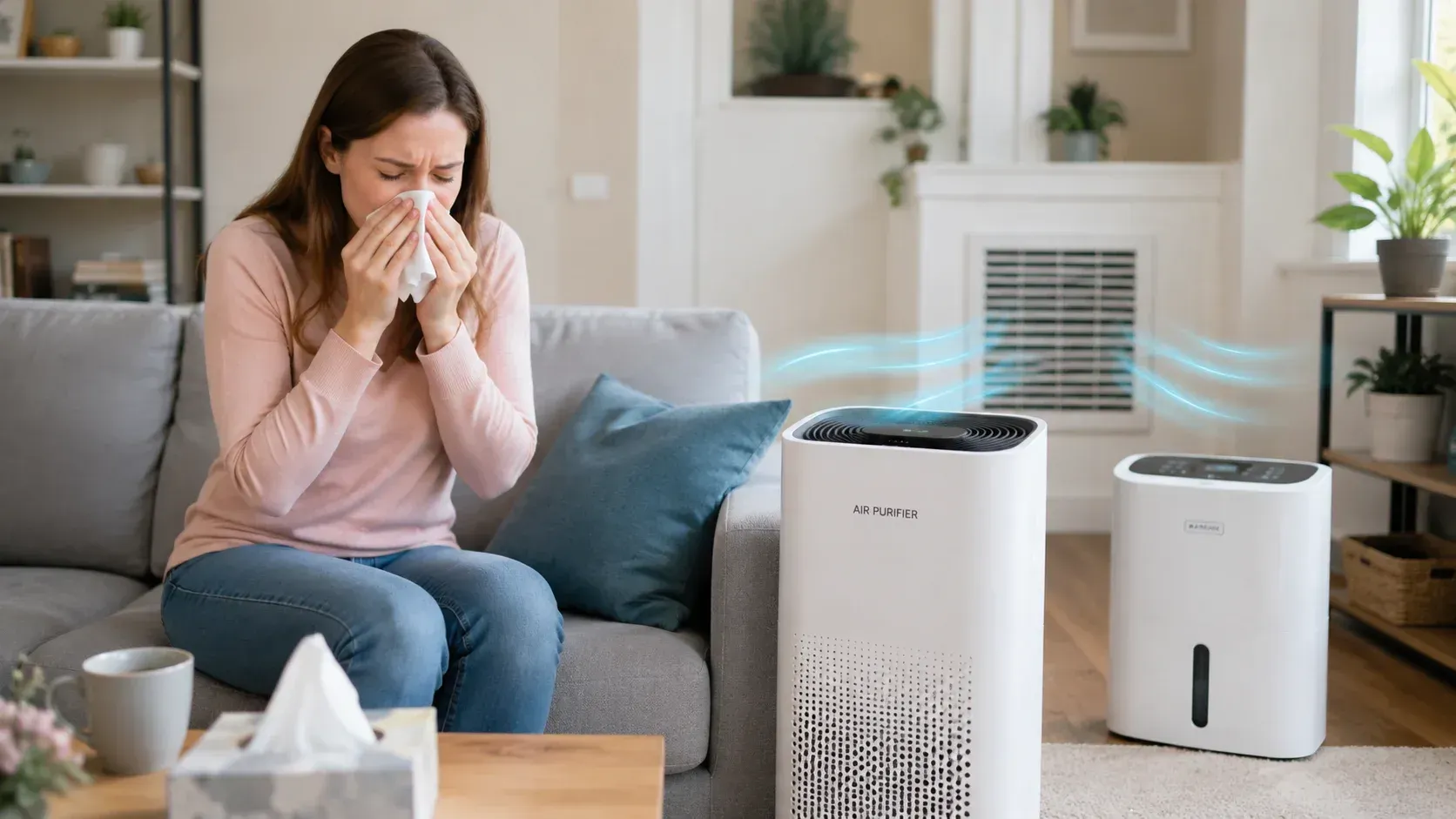
Building occupancy and air quality. Spaces with higher foot traffic, cooking equipment, or processes that generate dust or grease place additional strain on filtration and airflow components. A kitchen exhaust-adjacent HVAC zone, for example, may accumulate grease and residue faster than an office HVAC zone, which can justify more frequent filter changes and coil cleaning.
System age and condition. Older equipment generally benefits from closer attention, since components wear down over time and small issues are more likely to appear between scheduled visits. A newer, well-installed system may comfortably run on a twice-yearly schedule, while an aging unit nearing the end of its expected life may need quarterly or even monthly check-ins to catch problems early.
Local climate demands. Aberdeen Township experiences both hot, humid summers and cold winters, which means commercial systems here typically run through two demanding seasons each year rather than a single mild climate pattern. This seasonal swing is part of why a spring and fall service schedule makes practical sense for most buildings in the area.
Signs Your Schedule Needs Adjusting
Rising energy bills. If your energy costs climb without a corresponding increase in business hours or occupancy, your system may be losing efficiency faster than your current schedule accounts for. This is often a sign that more frequent filter changes or coil cleaning would help.
More frequent service calls. If you find yourself calling for repairs more than once or twice between your regular maintenance appointments, your current frequency may not be catching problems early enough. This pattern often suggests a need to shorten the interval between visits.
Uneven temperatures. Inconsistent heating or cooling in different parts of a space can signal that certain zones or components need more attention than a standard twice-yearly visit provides, particularly in multi-zone systems.
A Realistic Scenario
This is a hypothetical example, not a real customer case.
A small office building in Aberdeen Township operates on a standard weekday schedule and has a relatively new rooftop unit. The property manager schedules service each spring and fall, and the system runs reliably with minimal issues between visits. For this building, twice-yearly service appears to match the system's actual wear pattern.
Down the street, a restaurant with extended evening and weekend hours uses a similar rooftop unit but runs it nearly twice as many hours per week. After switching from a twice-yearly schedule to quarterly visits, the restaurant's technician catches a refrigerant issue early, before it causes a mid-summer breakdown during a busy weekend.
Both buildings have comparable equipment, but their actual usage patterns point toward different service frequencies.
What Typical Online Advice Overlooks
A single number does not fit every building. Many general guides suggest one fixed frequency, such as "service your system twice a year," without accounting for how differently commercial buildings are actually used. A property open sixteen hours a day experiences very different wear than one open eight hours a day, even with identical equipment.
Maintenance cost comparisons are often incomplete. Online comparisons sometimes frame maintenance purely as an added expense without weighing it against the cost of an unexpected breakdown, which often includes emergency service rates, lost business during downtime, and sometimes a shortened equipment lifespan. The upfront cost of regular
heating maintenance and cooling checkups is easier to evaluate once it's compared to those potential downstream costs rather than viewed in isolation.
Residential and commercial needs differ. Some online content blends residential and commercial advice as though the same schedule applies to both. Commercial systems generally serve larger spaces, run longer hours, and often involve more complex equipment than the systems covered under typical
residential HVAC services, which is why commercial maintenance planning usually looks different from a standard home-based approach.
Common Misunderstandings About Service Frequency
Common belief: If the system is running fine, it does not need to be serviced yet.
What is actually true: Many HVAC problems develop gradually and are not noticeable until they cause a breakdown or a spike in energy use.
Why it matters: Waiting for a visible problem often means missing the chance to catch an issue while it is still a minor, inexpensive fix.
Common belief: A newer system does not need service as often as an older one.
What is actually true: While age plays a role, usage hours and building conditions matter just as much, so a heavily used new system can still need frequent attention.
Why it matters: Basing your schedule only on equipment age can lead to under-servicing a system that is actually under heavy strain.
Common belief: More frequent service is always better, regardless of cost.
What is actually true: There is a point of diminishing return where additional visits add cost without meaningfully extending equipment life or improving performance.
Why it matters: Matching frequency to actual usage and system complexity, rather than maximizing visit count, tends to be the more practical approach.
Building a Maintenance Schedule That Fits Your Business
- Identify your system type and how many units or zones are involved.
- Review your building's operating hours and typical occupancy.
- Note any conditions that add strain, such as cooking equipment, high foot traffic, or dusty processes.
- Ask your technician what frequency they would recommend based on these specific factors rather than a generic number.
- Track issues and energy costs over a year to see whether the chosen frequency is keeping pace with your system's actual wear.
- Adjust the schedule if you notice recurring problems or unexplained cost increases between visits.
Why a written schedule helps. Having a documented plan, rather than an informal "we'll call when something breaks" approach, makes it easier to budget for maintenance costs and track whether your system's condition is improving or declining over time.
Conclusion
Most commercial HVAC systems in Aberdeen Township benefit from service at least twice a year, but the right frequency for your specific building depends on system type, operating hours, occupancy, and local climate demands. A generic recommendation is a reasonable starting point, but tracking your system's actual performance over time gives you a more accurate picture of whether your current schedule fits your building.
Businesses that treat maintenance as a planned, recurring part of operations tend to catch smaller issues before they become larger, more disruptive repairs.
Commercial HVAC Maintenance Questions in Aberdeen Township
If you want help figuring out the right service schedule for your specific building, you can
contact Breeze
to talk through your equipment and usage pattern. There is no pressure to commit to anything right away, and the goal is simply to help you plan a schedule that matches how your building actually operates.