What Indoor Air Quality Solutions Help With Allergies and Dust?
Key Takeaways
- High-efficiency air filters, air purifiers, and UV lights are common indoor air quality solutions that reduce allergens and dust
- HVAC filtration upgrades work directly with your existing system to capture particles before they circulate through your home
- Regular duct cleaning and maintenance reduce dust buildup that can trigger allergy symptoms
- Humidity control plays a role in limiting dust mites and mold growth, both common allergy triggers
- Combining multiple solutions typically works better than relying on a single approach for allergy relief
Table of Contents
- Introduction
- Understanding Indoor Air Quality and Allergies
- HVAC Filtration Upgrades
- Air Purifiers and Their Role
- UV Light Systems
- Humidity Control Solutions
- Ductwork Cleaning and Sealing
- Ventilation Improvements
- Combining Solutions for Better Results
- What to Consider Before Choosing a Solution
- Conclusion
- Frequently Asked Questions
Introduction
Indoor air quality solutions that help with allergies and dust include high-efficiency air filters, whole-home air purifiers, UV light systems, and humidity control equipment. These solutions work by capturing, neutralizing, or reducing the particles and conditions that trigger allergy symptoms and contribute to dust buildup in your home.
For homeowners and business owners in Monmouth County, indoor air quality is a practical concern rather than an abstract one. New Jersey's seasonal pollen counts, combined with time spent indoors during winter months, mean your HVAC system plays a significant role in what you're breathing every day. Understanding which solutions address which problems helps you make informed choices rather than guessing at what might help.
Understanding Indoor Air Quality and Allergies
Indoor air typically contains more pollutants than most people realize. Common allergens include dust mites, pet dander, pollen that enters through doors and windows, mold spores, and particles tracked in from outside.
Your HVAC system circulates air throughout your home multiple times per day. This means whatever is in your air gets distributed to every room, but it also means your system has repeated opportunities to filter out problematic particles if it's equipped to do so.
Standard HVAC systems without upgrades often struggle to catch the smallest particles that trigger allergies. Basic filters catch larger dust and debris but let finer particles like pollen and pet dander pass through. This is why many allergy sufferers find that upgrading their filtration and air quality equipment makes a noticeable difference.
Understanding your specific triggers helps determine which solutions matter most for your situation. Someone with pet allergies has different needs than someone primarily affected by seasonal pollen.
HVAC Filtration Upgrades
Upgrading your HVAC filter is often the first and most straightforward step toward better indoor air quality.
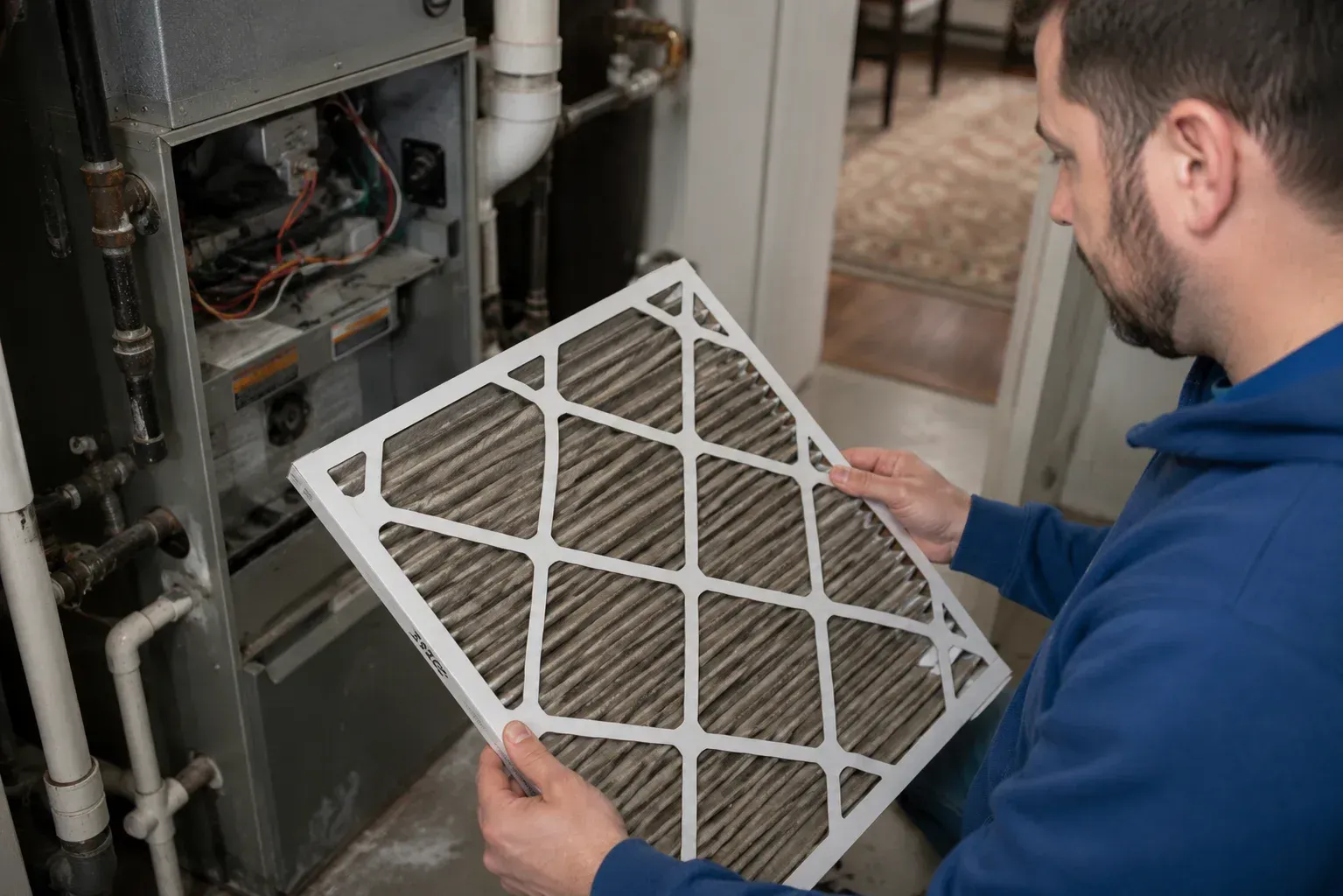
MERV Ratings Explained Filters are rated using the Minimum Efficiency Reporting Value, or MERV, scale. Standard filters often have a MERV rating of 4 to 6, which catches larger particles but misses many allergens. Filters rated MERV 8 to 11 capture more allergen-sized particles including pollen, mold spores, and pet dander. MERV 13 filters catch even smaller particles, including some bacteria and smoke particles.
Choosing the Right Filter for Your System Not every HVAC system can handle high-MERV filters. Denser filters restrict airflow more, and older or smaller systems may struggle to pull air through them efficiently. Check your system's specifications or consult a technician before jumping to the highest-rated filter available. Using a filter that's too restrictive can strain your system and reduce its lifespan.
HEPA Filtration High-Efficiency Particulate Air filters, known as HEPA filters, capture 99.97 percent of particles as small as 0.3 microns. Standard residential HVAC systems typically cannot accommodate true HEPA filters due to airflow restrictions, but HEPA-equivalent filters or standalone HEPA units can supplement your system for allergy relief.
Replacement Frequency Higher-MERV filters clog faster than standard filters because they're catching more material. Plan to check and replace these filters more frequently, often every 30 to 60 days, compared to standard filters that might last 90 days.
Air Purifiers and Their Role
Air purifiers work alongside your HVAC system to provide additional filtration, particularly useful for allergy sufferers.
Whole-Home Air Purifiers These systems integrate directly with your HVAC ductwork, treating all the air that circulates through your home. Whole-home units typically use HEPA filtration, electronic filtration, or a combination of methods to capture particles that your standard filter might miss. Because they work continuously with your existing system, they don't require separate maintenance in each room.
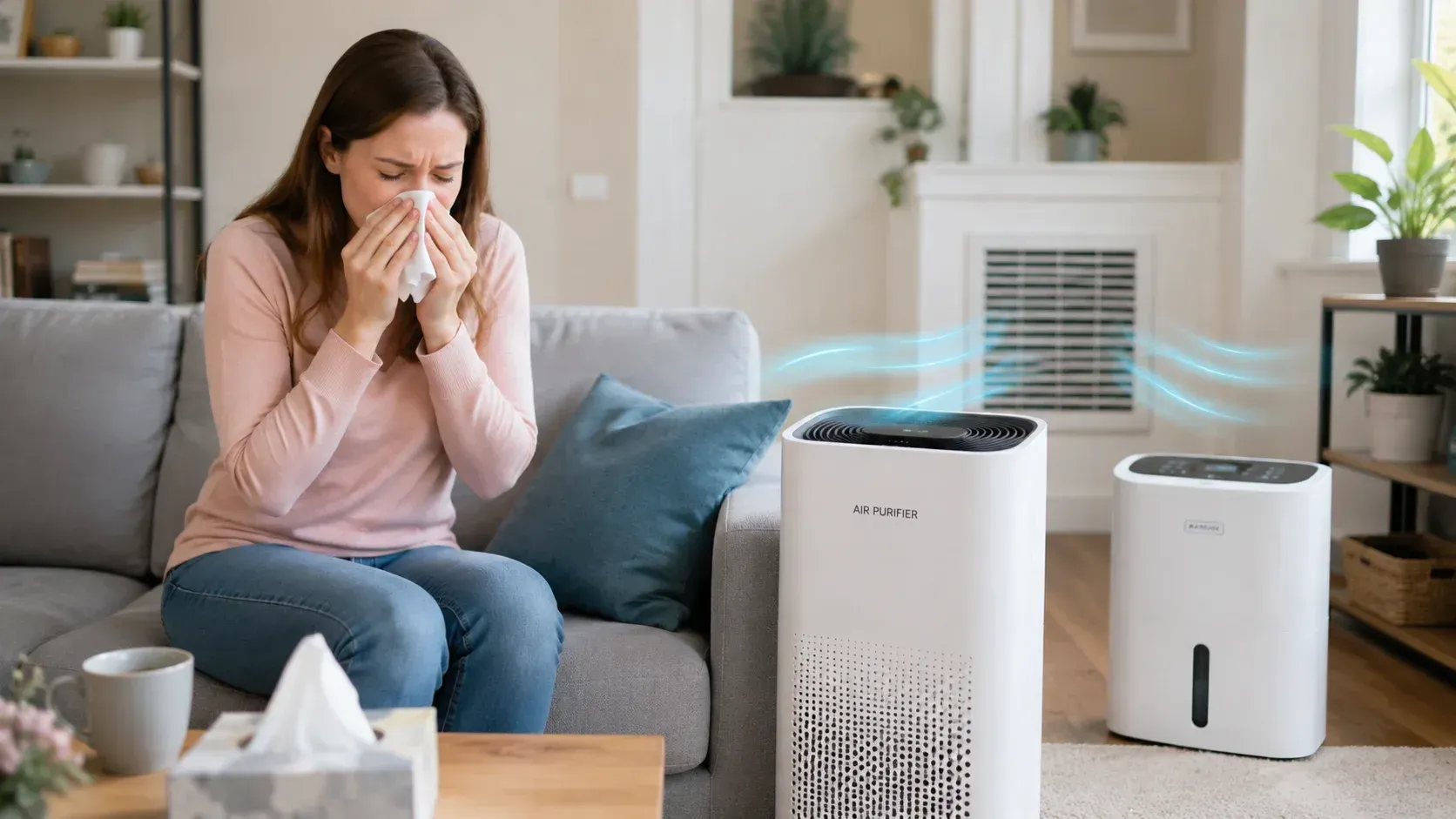
Portable Air Purifiers Standalone units work well for specific rooms, particularly bedrooms where allergy sufferers spend significant time. Portable purifiers are less expensive than whole-home systems but only treat the air in their immediate vicinity. They're a reasonable option if budget is a concern or if you want targeted relief in one or two rooms.
Electronic Air Cleaners These use an electrical charge to attract and trap particles, offering an alternative to traditional filter media. They require regular cleaning of the collection plates rather than filter replacement, which some homeowners prefer for long-term cost reasons.
Considerations Air purifiers vary widely in effectiveness and cost. Look for units with a Clean Air Delivery Rate, or CADR, appropriate for your room or home size. Larger spaces need higher CADR ratings to be effective.
UV Light Systems
Ultraviolet light systems address a different aspect of indoor air quality: biological contaminants like mold, bacteria, and viruses.
How UV Systems Work UV lights are installed within your HVAC ductwork or near the evaporator coil. As air passes through, the UV light neutralizes biological particles that pass through the treatment zone. This doesn't filter out dust or dander, but it does address mold spores and other microorganisms that can contribute to respiratory irritation.
Coil Protection UV lights installed near your evaporator coil help prevent mold and bacterial growth on the coil itself. This is particularly relevant in humid climates, as coils provide a moist environment where mold can develop and then get distributed through your ductwork.
Limitations UV systems are not a standalone solution for allergies since they don't address particulate matter like dust and pollen. They work best as a complementary solution alongside proper filtration.
Humidity Control Solutions
Humidity levels in your home directly affect two major allergy triggers: dust mites and mold.
Why Humidity Matters Dust mites thrive in humidity levels above 50 percent. Mold also requires moisture to grow. Keeping indoor humidity between 30 and 50 percent creates conditions less favorable to both.
Whole-Home Dehumidifiers These systems integrate with your HVAC to remove excess moisture from the air throughout your home. They're particularly useful during New Jersey's humid summer months when window units or portable dehumidifiers may not keep up with moisture levels.
Humidifiers for Winter During winter, heating systems can dry out indoor air significantly, which can irritate respiratory passages and sinuses. Whole-home humidifiers add moisture back into your air, though this needs to be balanced carefully to avoid creating conditions favorable for dust mites and mold.
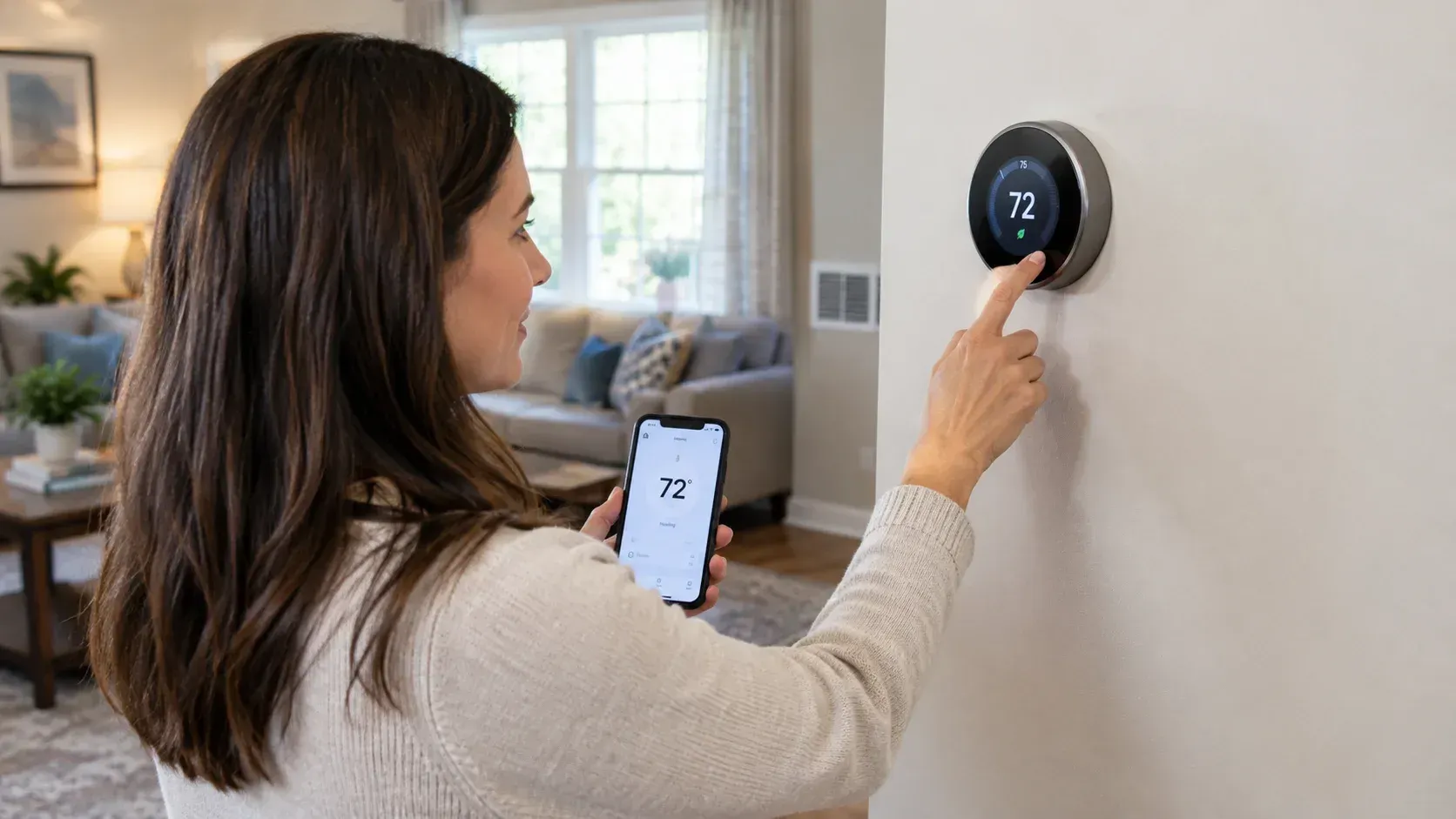
Monitoring Humidity A simple hygrometer helps you track your home's humidity levels so you know whether you need additional humidity control or moisture removal.
Ductwork Cleaning and Sealing
Your ductwork can accumulate dust, debris, and even mold over time, all of which gets circulated through your home every time your system runs.
Why Duct Cleaning Matters Years of accumulated dust in ductwork means every time your HVAC system operates, some of that dust gets pushed back into your living spaces. For allergy sufferers, this ongoing exposure can worsen symptoms even with a good filter in place.
Sealing Leaks Leaky ductwork doesn't just waste energy - it can also pull in dust and allergens from attics, crawl spaces, or wall cavities and distribute them throughout your home. Sealing these leaks improves both efficiency and air quality.
When to Consider Duct Cleaning If you notice visible dust coming from vents, have recently completed home renovations, or have never had ductwork cleaned in a home more than 10 years old, professional ductwork fabrication and inspection services can identify problems and address them.
Ventilation Improvements
Proper ventilation helps dilute indoor pollutants by bringing in fresh outdoor air, though this requires balancing with filtration since outdoor air carries its own allergens.
Energy Recovery Ventilators These systems bring in fresh air while recovering energy from outgoing air, helping maintain efficiency while improving air exchange. They can be particularly useful for tightly sealed, energy-efficient homes where indoor air might otherwise become stagnant.
Exhaust Fans Proper bathroom and kitchen exhaust fans remove moisture and pollutants at the source, preventing them from spreading throughout your home. Making sure these fans vent to the outside, rather than into attic spaces, matters for both air quality and moisture control.
Balanced Approach Increasing ventilation without adequate filtration can bring in more outdoor allergens during high pollen periods. Pairing ventilation improvements with strong filtration addresses both stagnant indoor air and outdoor allergen infiltration.
Combining Solutions for Better Results
Most homeowners find that combining multiple approaches provides better allergy relief than relying on one single change.
A common effective combination includes upgrading to a MERV 11 or 13 filter, adding a whole-home air purifier for additional filtration, installing a UV light system near the coil to address mold and bacteria, and maintaining humidity between 30 and 50 percent.
Not every home needs every solution. Someone with mild seasonal allergies might see significant improvement from a filter upgrade alone. Someone with severe allergies, asthma, or chronic respiratory issues might benefit from a more comprehensive approach combining several solutions.
Start with the most cost-effective changes, like filter upgrades, and assess whether symptoms improve before investing in more expensive whole-home systems. This step-by-step approach helps you understand what's actually making a difference for your specific situation.
What to Consider Before Choosing a Solution
Before investing in indoor air quality upgrades, consider several factors relevant to your situation.
Your Specific Triggers Understanding whether your allergies are primarily triggered by dust, pet dander, seasonal pollen, or mold helps you prioritize which solutions address your actual problems rather than spending money on solutions that don't target your triggers.
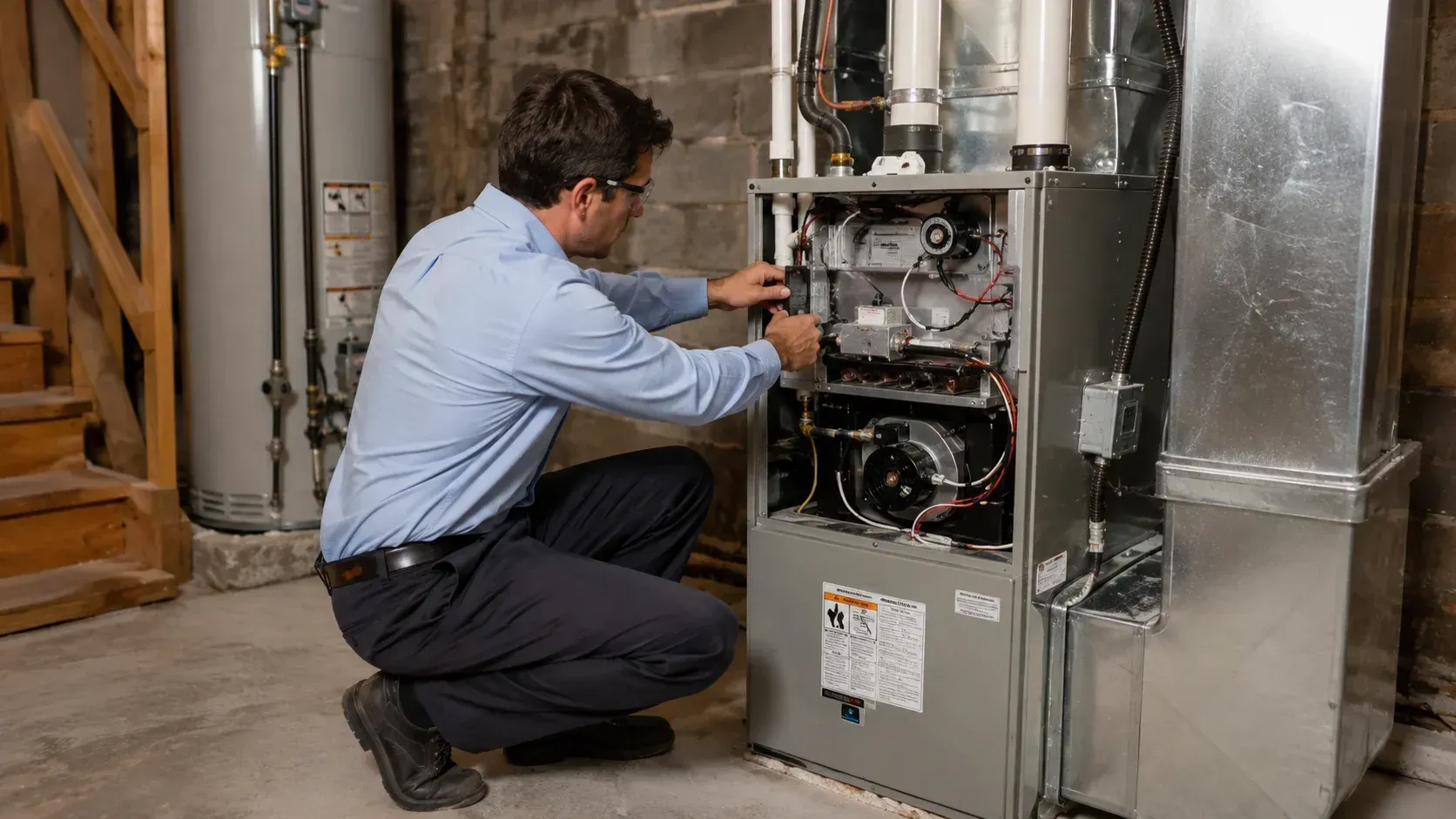
Your HVAC System's Capacity Not every system can accommodate every upgrade. Older or smaller systems may need evaluation before adding high-MERV filters, UV lights, or whole-home purifiers. A professional assessment helps determine what your system can support.
Budget and Priorities Costs range significantly, from a filter upgrade costing under 50 dollars to whole-home systems costing several hundred to a few thousand dollars installed. Understanding your budget helps you prioritize which solutions to implement first.
Maintenance Requirements Every solution requires some ongoing maintenance, whether that's filter replacement, purifier cleaning, or UV bulb replacement. Consider whether you'll keep up with maintenance schedules, since neglected equipment doesn't provide the intended benefits.
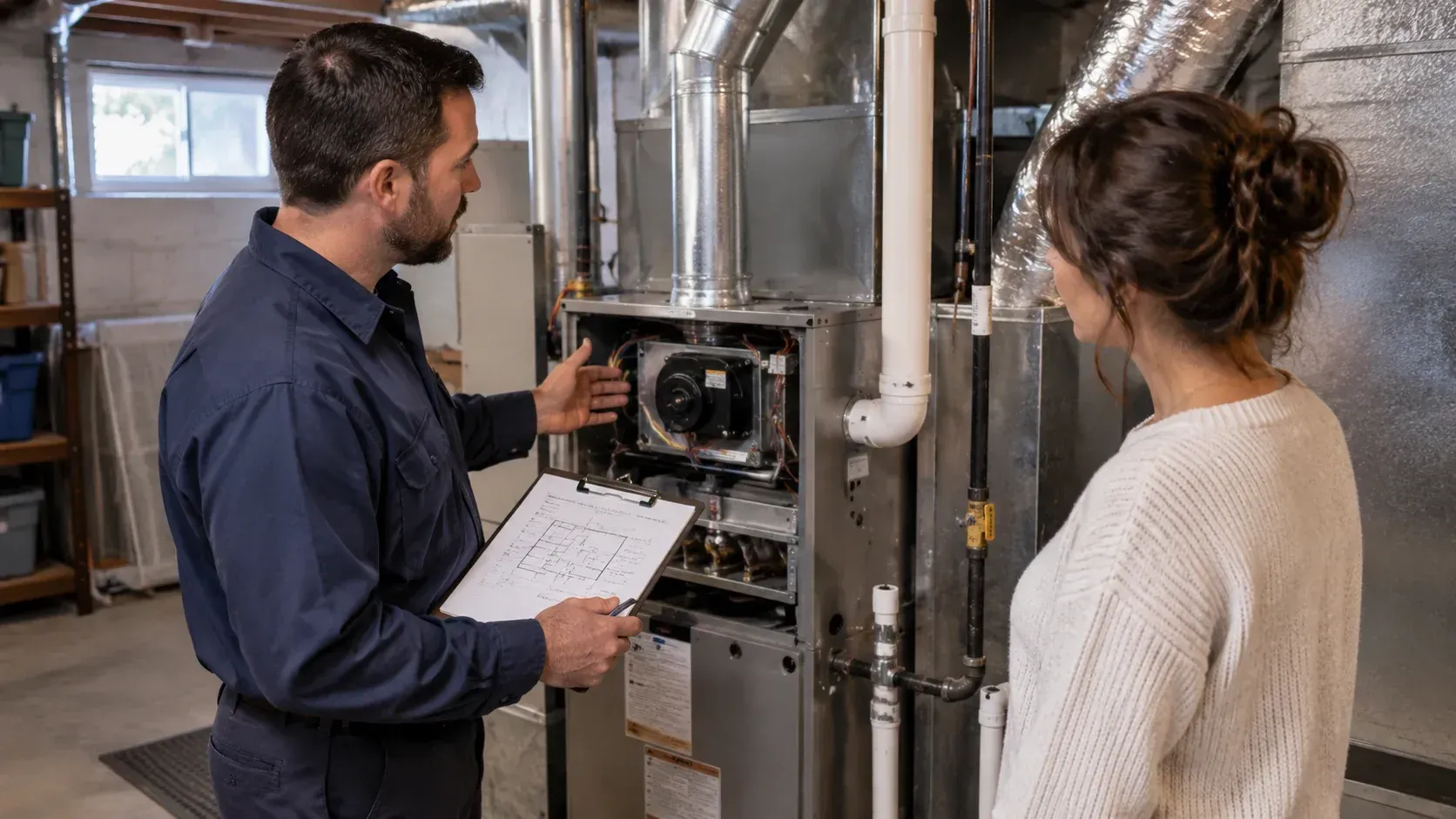
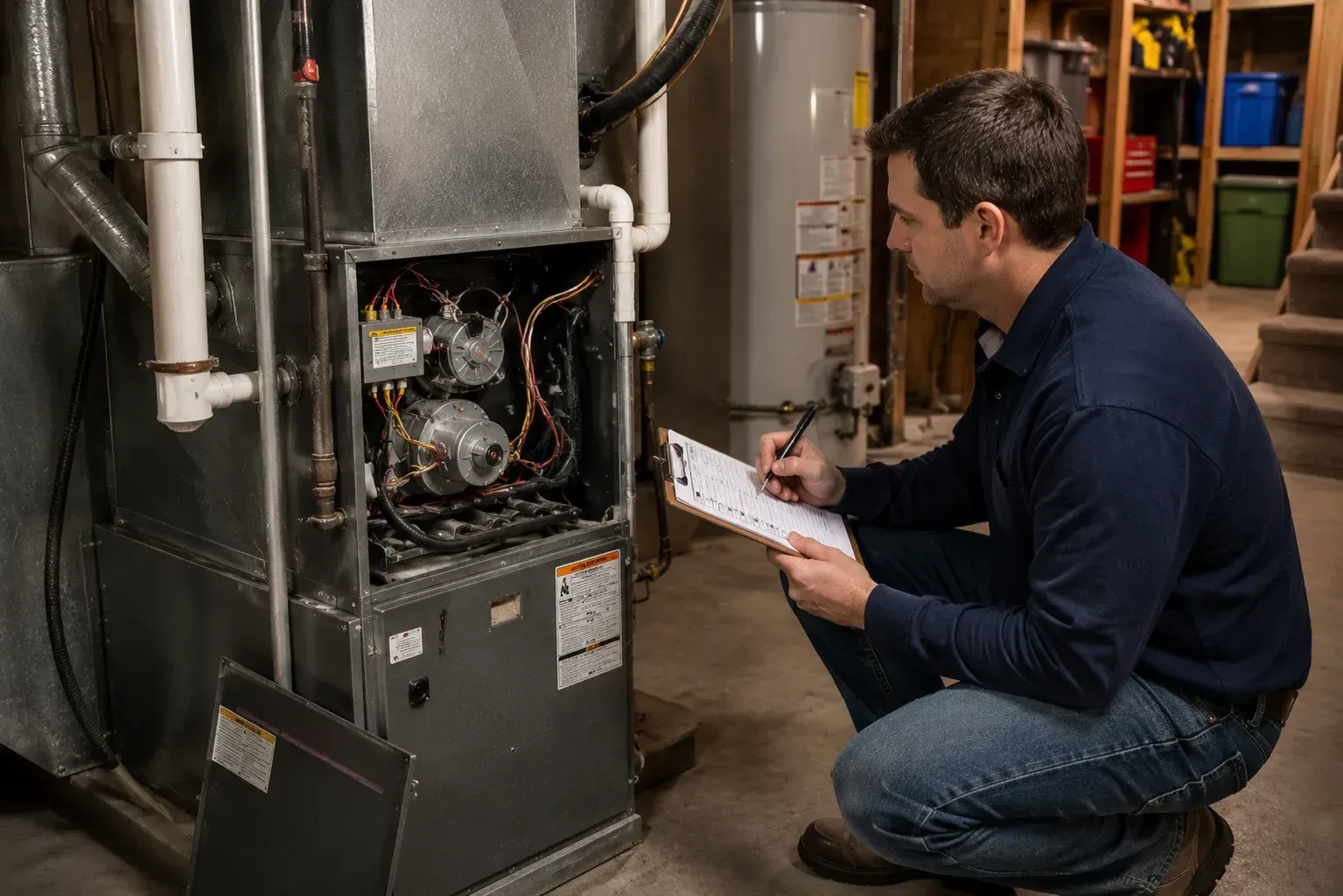
Professional Assessment An HVAC technician can evaluate your home's specific situation, including your system's capabilities, your ductwork condition, and your humidity levels, to recommend solutions tailored to your circumstances rather than generic suggestions.
Conclusion
Indoor air quality solutions for allergies and dust range from simple filter upgrades to comprehensive whole-home systems combining filtration, purification, UV treatment, and humidity control. Understanding what each solution addresses helps you make choices that target your specific triggers rather than guessing at what might help.
For Monmouth County homeowners and business owners dealing with seasonal allergies or ongoing dust concerns, starting with an assessment of your current HVAC system and specific triggers provides a foundation for deciding which upgrades make sense. Combining multiple targeted solutions typically offers better results than relying on any single approach.
Taking time to understand your options, rather than purchasing the first product you see advertised, leads to better long-term outcomes and more effective use of your budget. If you're uncertain where to start, a professional evaluation of your HVAC system and home's air quality can provide clarity on which solutions align with your specific needs. To discuss your indoor air quality concerns and explore your options, contact us today.
Frequently Asked Questions
How can I reduce dust in my house?
Use a higher-rated furnace filter and change it on schedule, seal leaky return ducts, keep humidity in check, and vacuum regularly with a HEPA vacuum.
What MERV rating is best for allergies?
MERV 11 to 13 filters trap pollen, pet dander, and fine dust well for most homes. Check that your system can handle the airflow of a higher-rated filter.
Can my HVAC system make allergies worse?
It can if filters are dirty, ducts pull in dust from attics or crawl spaces, or humidity stays high enough for mold and dust mites to thrive.
What indoor humidity level is best?
The EPA recommends keeping indoor humidity below 60%, ideally between 30% and 50%, to limit mold growth and dust mites.
Do air purifiers help with allergies?
Portable HEPA purifiers can reduce airborne allergens in the room where they run. Whole-home filtration through your HVAC system covers more of the house.
Recent Posts