How Much Does It Cost to Install a New Furnace in Monmouth County, NJ?
Key Takeaways
- New furnace installation in Monmouth County typically ranges from 2,500 to 8,000 dollars depending on system type, efficiency rating, and installation complexity
- Basic furnaces cost less upfront but higher-efficiency systems offer lower energy bills over their lifespan
- Installation labor, ductwork modifications, and permit costs are separate from the furnace unit price
- Getting multiple quotes from local contractors helps you understand realistic pricing in your area
- Timing your installation in fall or spring can potentially save money compared to emergency winter replacement
Table of Contents
- Introduction
- Average Furnace Installation Costs in Monmouth County
- What Affects Furnace Installation Pricing
- Standard vs. High-Efficiency Furnaces
- Understanding the Breakdown of Installation Costs
- Labor and Installation Expenses
- Additional Costs You Should Expect
- Ways to Manage Furnace Installation Expenses
- Getting Quotes and Comparing Contractors
- Financing Options for Furnace Installation
- Conclusion
- Frequently Asked Questions
Introduction
A new furnace installation in Monmouth County typically costs between 2,500 and 8,000 dollars, with most homeowners spending around 4,000 to 5,500 dollars for a quality mid-range system. The final price depends on which type of furnace you choose, how efficient you want it to be, your home's layout, and any modifications your ductwork needs.
Understanding furnace costs matters because installation is a significant home investment. Many homeowners put off furnace replacement because they're uncertain about pricing, which can lead to keeping old, inefficient systems running longer than they should. Knowing what to expect helps you budget properly, understand whether financing makes sense, and avoid surprise costs. In Monmouth County, where winters demand reliable heating, having accurate cost information helps you make decisions that keep your home comfortable without overspending.
Average Furnace Installation Costs in Monmouth County
Furnace installation pricing varies based on several factors specific to your situation, but homeowners in Monmouth County can expect to see these general price ranges.
A basic, standard-efficiency furnace with AFUE ratings around 80 to 90 percent typically costs 2,500 to 4,000 dollars installed. These furnaces work well and are reasonably priced, making them a common choice for budget-conscious homeowners.
Mid-range, high-efficiency furnaces with AFUE ratings of 90 to 95 percent generally cost 4,000 to 6,000 dollars installed. These systems offer better energy efficiency and lower operating costs over time while still being reasonably priced.
Premium, ultra-high-efficiency furnaces with AFUE ratings of 95 to 98 percent run 6,000 to 8,000 dollars or more installed. These top-tier systems maximize energy savings but carry higher upfront costs.
These price ranges include the furnace unit, labor, basic installation, and standard ductwork connections. They typically do not include ductwork replacement, extensive modifications, or permits if they're required separately in your area.
What Affects Furnace Installation Pricing
Several specific factors influence what you'll pay for furnace installation in Monmouth County.
Furnace Type and Brand Different brands have different price points. Well-known manufacturers like Goodman, York, Bryant, and Amana have established pricing. Premium brands or specialty furnaces cost more than basic models. Higher-quality furnaces often last longer and have better warranties, which affects their value over time.
Efficiency Rating (AFUE) Higher AFUE ratings mean better energy efficiency but higher upfront cost. The difference between an AFUE 80 furnace and an AFUE 95 furnace can be 1,500 to 2,000 dollars. If you plan to stay in your home for many years, the higher efficiency pays for itself through lower energy bills.
Your Home's Size and Layout Larger homes need larger capacity furnaces, which cost more. If your home has multiple zones or complex ductwork, installation becomes more involved and labor costs increase. A straightforward furnace replacement in a well-designed home costs less than a furnace installation that requires system redesign.
Existing Ductwork Condition If your current ductwork is in good condition and properly sized for the new furnace, installation costs stay reasonable. If ductwork is deteriorated, undersized, or needs significant cleaning or sealing, additional expenses add up quickly. Ductwork replacement can cost several thousand dollars on top of the furnace installation.
Installation Complexity A straightforward furnace replacement where the new unit connects to existing connections costs less than an installation that requires relocating the furnace or upgrading gas lines and electrical connections. Your home's current setup determines how much additional work is needed.
Local Contractor Rates Labor costs vary among contractors and regions. Some Monmouth County contractors charge higher hourly rates than others based on their experience, certifications, and reputation. Getting multiple quotes reveals the range of labor costs in your area.
Permits and Inspections Some municipalities require permits for furnace installation, which adds 50 to 200 dollars depending on your location within Monmouth County. Permit costs cover inspection by local building officials to ensure the installation meets code.
Standard vs. High-Efficiency Furnaces
The choice between standard and high-efficiency furnaces affects both upfront cost and long-term operating expenses.
Standard Efficiency Furnaces (AFUE 80-90) These furnaces convert 80 to 90 percent of fuel into usable heat. They're less expensive to purchase and install, making them attractive to budget-conscious homeowners. However, 10 to 20 percent of fuel is wasted as exhaust heat. Over 15 to 20 years of operation, this inefficiency adds up to higher energy bills. Standard furnaces are adequate for homeowners planning to sell soon or those with extremely tight budgets.
High-Efficiency Furnaces (AFUE 90-98) These systems convert 90 to 98 percent of fuel into heat, wasting very little energy. Higher upfront costs are offset by lower monthly heating bills. A high-efficiency furnace might reduce heating costs by 20 to 30 percent compared to a standard system. If you'll stay in your home for 10 or more years, the energy savings typically justify the higher installation cost. Additionally, high-efficiency furnaces often qualify for energy efficiency tax credits or rebates, which further offset the investment.
For most Monmouth County homeowners planning to stay in their homes, a high-efficiency furnace offers better overall value despite higher initial expense.
Understanding the Breakdown of Installation Costs
Knowing what's included in furnace installation pricing helps you compare quotes accurately.
Furnace Unit Cost This is the actual furnace equipment. Prices vary based on brand, efficiency rating, and capacity. A standard furnace might cost 1,200 to 2,500 dollars. A high-efficiency unit might cost 2,500 to 4,500 dollars or more before installation.
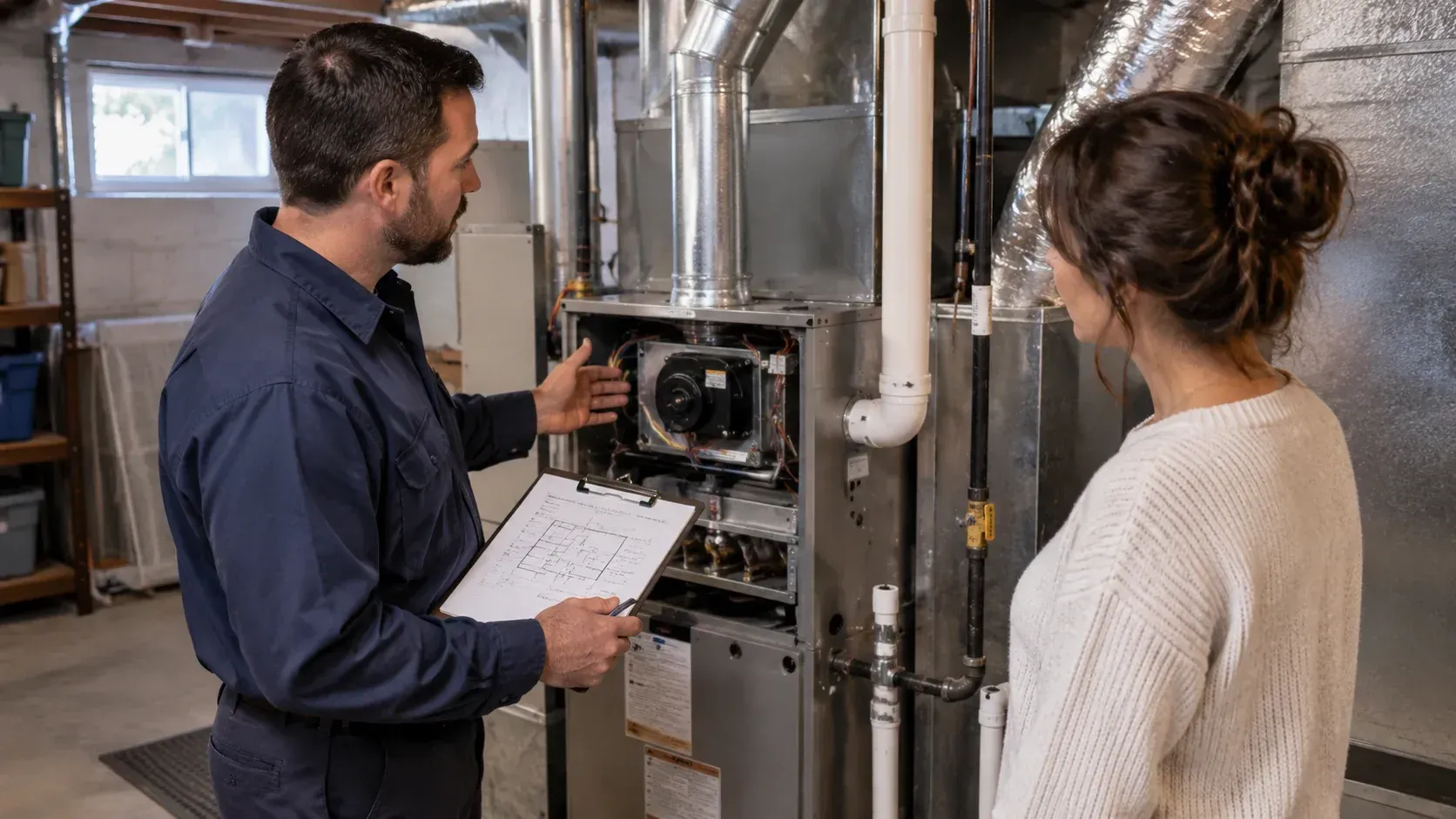
Labor Cost Installation labor typically ranges from 800 to 2,000 dollars depending on complexity. Straightforward replacements cost less because the new furnace connects to existing connections. Complex installations requiring modifications cost more. Labor costs usually include removing the old furnace, installing the new one, testing the system, and explaining operation to you.
Materials and Supplies This includes ductwork connectors, gas line fittings, electrical connections, venting materials, and other supplies needed for installation. Materials typically cost 200 to 500 dollars depending on what modifications are necessary.
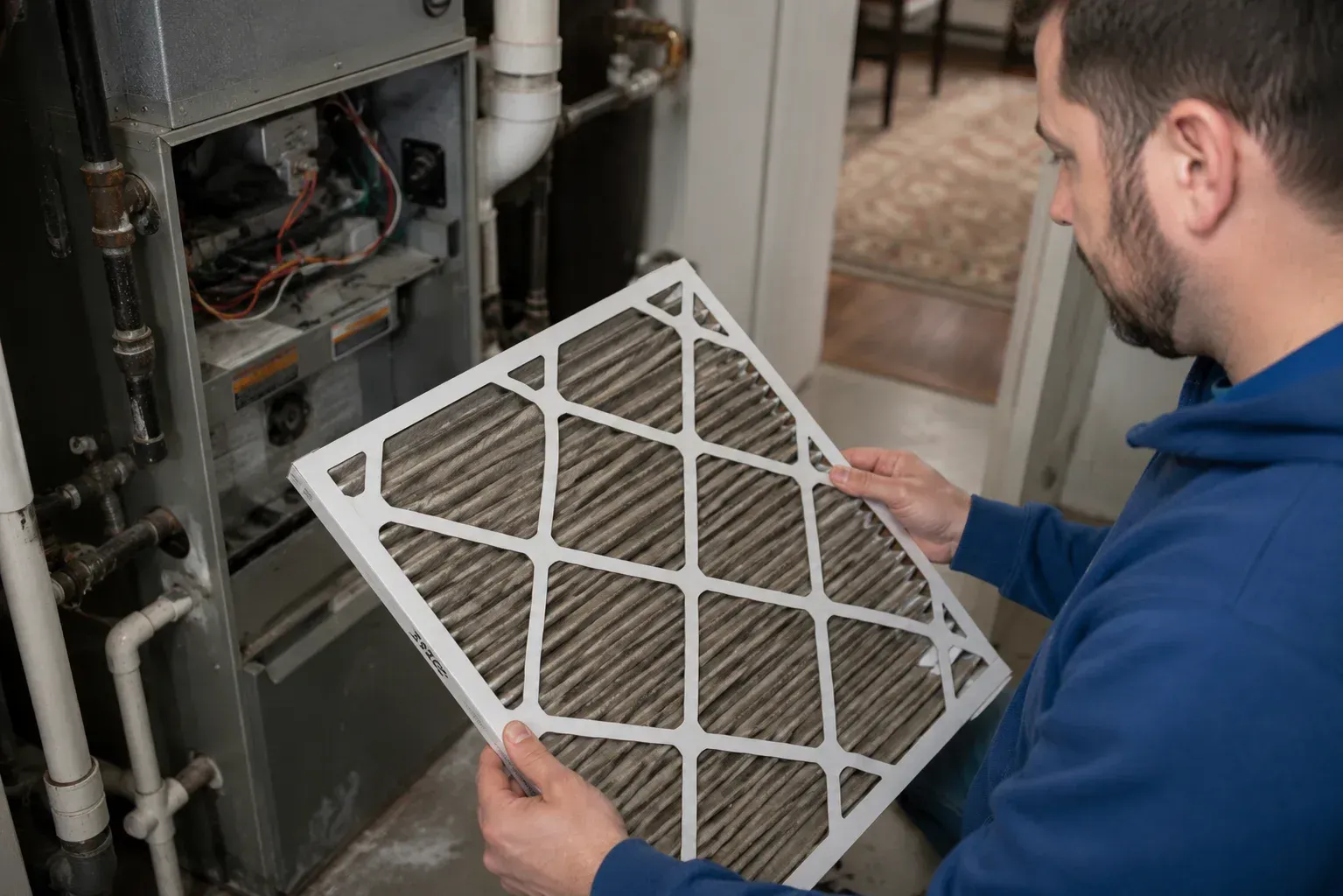
Ductwork Cleaning or Sealing If your ductwork needs cleaning or sealing to work properly with the new furnace, this adds 300 to 1,000 dollars depending on extent. This is often recommended when replacing a furnace because it improves overall system efficiency.
Permit and Inspection If required in your area, permits typically cost 50 to 200 dollars. Some contractors include this in their quote, others charge it separately.
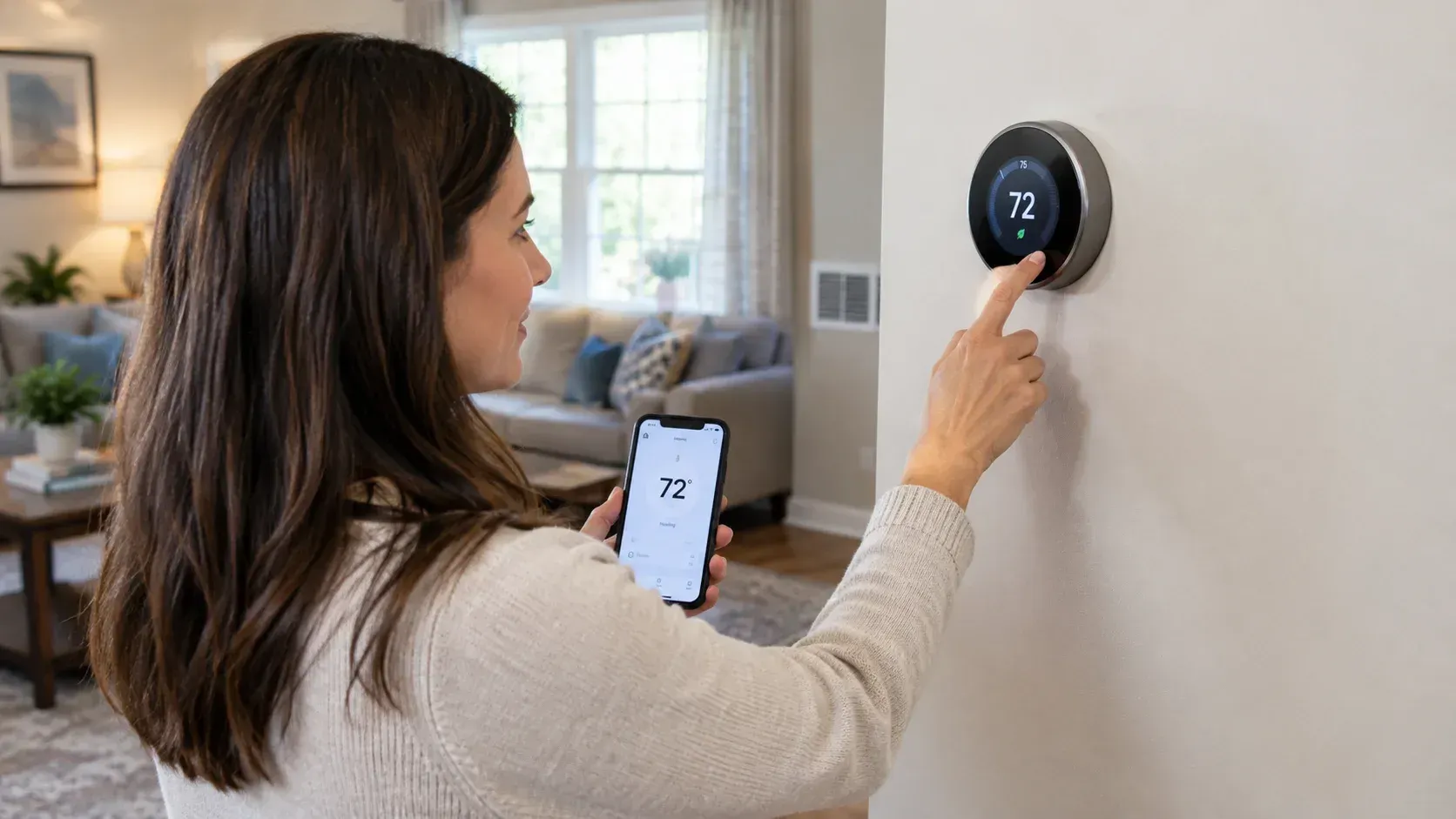
Thermostat Upgrade If you're upgrading to a programmable or smart thermostat, add 150 to 400 dollars. Many contractors recommend this when installing a new furnace.
Labor and Installation Expenses
Installation labor is a significant portion of your total furnace installation cost, so understanding what's involved helps you grasp why quotes vary.
A typical furnace installation takes one to two days. The first day involves removing the old furnace, preparing the space, and installing the new unit. The second day often involves final connections, testing, and system calibration.
The contractor's hourly labor rate, the complexity of your installation, and whether any unexpected issues are discovered during removal all affect final labor costs. If the old furnace is difficult to access or if the contractor finds problems with gas lines or ductwork that need addressing, labor costs can exceed initial estimates.
Licensed HVAC technicians in Monmouth County typically charge 75 to 150 dollars per hour for installation labor. Experienced contractors with excellent reputations often charge toward the higher end of this range. Less experienced contractors might charge less, but experience often correlates with quality workmanship and fewer callbacks for problems.
Many contractors provide labor guarantees, covering any issues with the installation for a specified period. This protection is valuable and justifies paying for experienced, reputable contractors rather than choosing based on lowest price alone.
Additional Costs You Should Expect
Beyond the basic furnace and installation, several other costs may apply to your project.
Ductwork Replacement or Repair If your ductwork is deteriorated, undersized, or leaking, replacement or repair becomes necessary. New ductwork throughout a home can cost 2,000 to 5,000 dollars or more. If only certain sections need work, costs are lower. This is often discovered during the furnace installation when the contractor evaluates your system. Professional ductwork fabrication services ensure proper sizing and installation for your new furnace system.
Upgraded Electrical Service Some high-efficiency furnaces require upgraded electrical connections. If your current electrical setup is inadequate, upgrades might be necessary, adding 200 to 500 dollars.
Gas Line Upgrades If gas lines need replacement or upgrading to accommodate the new furnace, add 300 to 800 dollars depending on the extent of work.
Venting Modifications High-efficiency furnaces sometimes require different venting than older systems. If your venting needs modification, add 200 to 400 dollars.
Removal and Disposal Removing and properly disposing of your old furnace is typically included in installation quotes, but confirm this when getting quotes. Disposal might cost 75 to 150 dollars if charged separately.
Extended Warranty Furnace manufacturers typically provide 5 to 10 years of coverage. Extended warranties covering parts and labor beyond the standard period cost 300 to 800 dollars depending on coverage length. These are optional but can provide peace of mind.
Ways to Manage Furnace Installation Expenses
If furnace installation costs feel high, several strategies help you manage the expense.
Consider Mid-Range Efficiency A mid-range high-efficiency furnace (AFUE 90-95) offers excellent balance between upfront cost and energy savings. You don't need the most expensive ultra-efficient model to achieve significant savings.
Address Ductwork Separately If ductwork work is recommended but not urgent, you might address it in phases. Install the new furnace first, then schedule ductwork improvements later if budget is tight. However, discuss this with your contractor to understand any efficiency impact.
Get Multiple Quotes Obtain quotes from at least three contractors. Prices vary, and comparing allows you to find reasonable pricing in your area. Ensure quotes include the same equipment and services for accurate comparison.
Ask About Rebates and Tax Credits Energy-efficient furnaces sometimes qualify for manufacturer rebates, utility company incentives, or federal tax credits. These can reduce your net installation cost by several hundred dollars. Ask contractors what incentives apply to your situation.
Schedule Installation Strategically Installing a furnace in fall or spring, before or after peak heating season, often costs less than emergency winter replacement. Contractors have more availability and aren't charging premium emergency rates.
Finance the Project Many contractors offer financing options through third-party lenders. 0-percent financing for 12 to 24 months can make the upfront cost more manageable while you benefit from the new system.
Getting Quotes and Comparing Contractors
Obtaining accurate pricing requires getting multiple quotes from qualified contractors.
When requesting quotes, provide the same information to each contractor so quotes are comparable. Share your home's square footage, current furnace specifications if available, and your priorities regarding efficiency and budget.
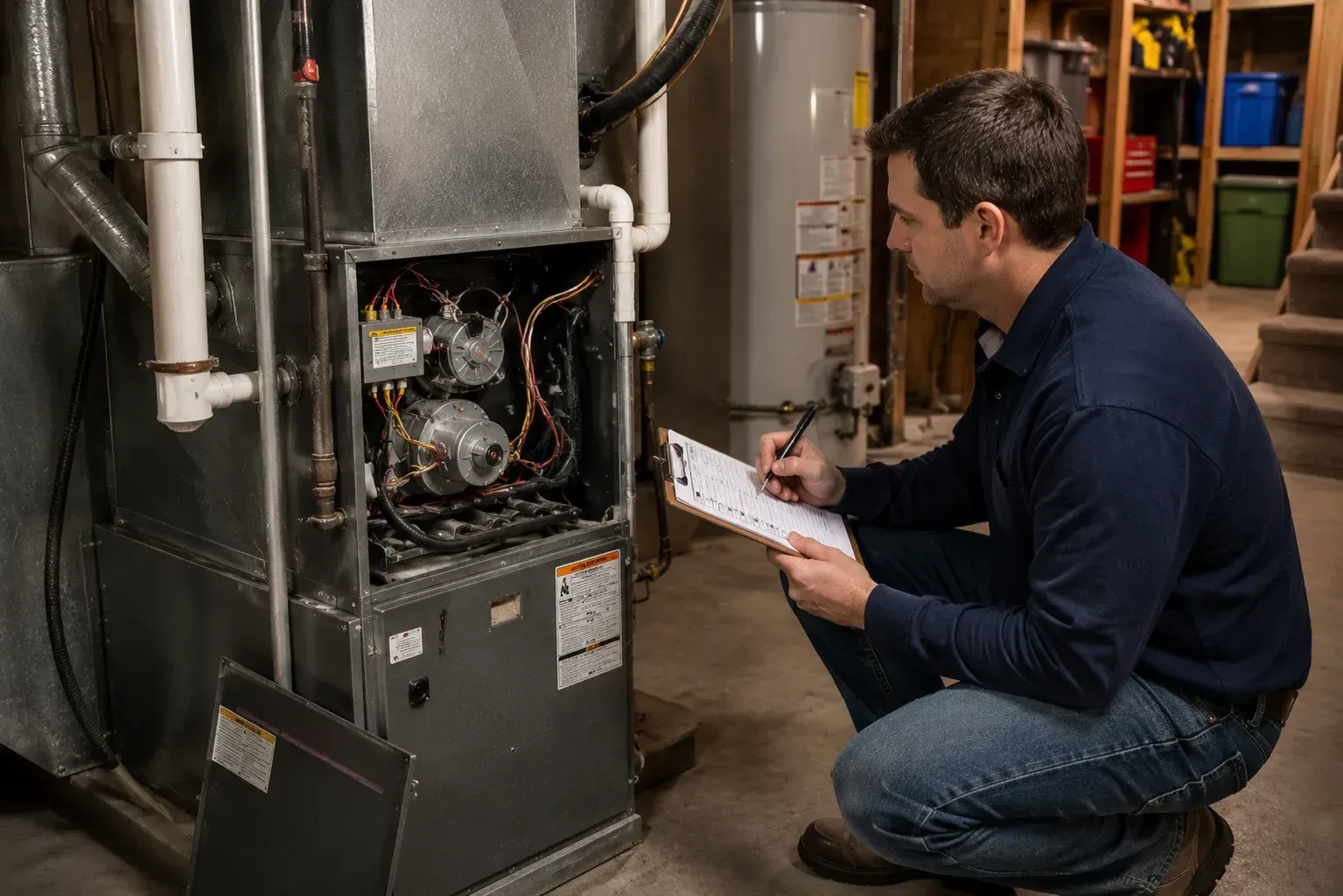
Ensure each quote specifies the exact furnace model, efficiency rating, and installation scope. A quote that's vague about what's included is difficult to compare fairly. Detailed quotes itemizing equipment, labor, materials, permits, and any other costs help you understand exactly what you're paying for.
Ask about contractor licensing, insurance, and warranty coverage. Licensed contractors with liability insurance provide better protection for your home. Warranty coverage on both parts and labor protects your investment.
Don't automatically choose the lowest quote. The cheapest option might cut corners, use lower-quality equipment, or provide limited warranty coverage. Mid-range quotes from well-reviewed contractors often represent the best value.
Ask potential contractors about their experience with homes similar to yours and their timeline for installation. Established contractors with good reviews and experience in Monmouth County are worth the investment.
Financing Options for Furnace Installation
Because furnace installation is expensive, many homeowners use financing options to manage the cost.
Contractor Financing Many HVAC contractors offer in-house financing or partner with lending companies to provide payment plans. 0-percent financing for 12 to 24 months is common. Interest-free periods help spread costs without paying additional interest.
Home Equity Line of Credit (HELOC) If you have equity in your home, a HELOC offers potentially lower interest rates than credit cards or personal loans. Rates are variable, so understand terms before borrowing.
Home Improvement Loans Some lenders specialize in home improvement financing. These loans typically have fixed rates and predictable monthly payments.
Credit Cards Using a rewards credit card for the purchase earns points or cashback. However, interest rates are typically higher than other options unless you pay the balance before interest kicks in.
Energy-Efficient Mortgages Some lenders offer mortgages that recognize the value of energy-efficient improvements. You might qualify to borrow more based on the energy savings your new furnace provides.
Before financing, calculate total interest cost over the loan period and compare monthly payments to ensure the financing fits your budget. Sometimes financing makes sense for keeping monthly costs manageable. Other times, paying upfront saves more money despite the larger immediate expense.
Timing Your Installation
When you schedule furnace installation affects what you pay and how convenient the process is.
Fall Installation Installing a furnace in September or October prepares you for winter while contractors have better availability than winter months. Fall installation typically costs less than emergency winter installation and allows time to address any issues before cold weather arrives.
Spring Installation Installing in April or May works after winter is over. You'll have months before needing the furnace again, allowing time for any needed testing or adjustments.
Winter Emergency Installation Replacing a furnace in January or February during heating season means emergency service rates apply, and contractors are fully booked. This option is costlier and less convenient but becomes necessary if your furnace fails completely.
Summer Installation Installing in July or August is possible but less logical since furnaces aren't needed. However, contractors typically have availability. This timing works only if you're replacing a furnace preemptively rather than due to failure.
Ideally, install a new furnace in fall before winter heating season when contractors have more flexibility and regular pricing applies.
Conclusion
The cost to install a new furnace in Monmouth County ranges widely depending on the system you choose, your home's specific needs, and installation complexity. Most homeowners spend between 4,000 and 5,500 dollars for quality mid-range systems installed by reputable contractors.
Understanding what drives costs helps you make informed decisions. Higher-efficiency furnaces cost more upfront but save money on energy bills over their lifespan. Getting quotes from multiple contractors reveals realistic pricing in your area. Financing options make installation costs manageable when the upfront expense is challenging.
Don't let cost uncertainty prevent necessary furnace replacement. An aging furnace that's failing costs more through energy waste and emergency repairs than the investment in a new system. Taking time to understand pricing and plan your installation leads to better decisions and longer-term savings.
If you're ready to explore furnace installation for your Monmouth County home, qualified contractors specializing in residential HVAC services can provide detailed quotes and help you understand all available options. To discuss your specific situation and get a personalized estimate, contact us today.
Frequently Asked Questions
What affects the cost of a new furnace?
Efficiency rating, size, brand, venting changes, ductwork modifications, permits, and removal of the old unit all affect the total installation price.
Does a new furnace need a permit in New Jersey?
Generally, yes. Furnace replacement in New Jersey typically requires a permit from your local construction office, followed by an inspection.
Are there rebates for high-efficiency furnaces in NJ?
Rebates may be available through NJ Clean Energy and local gas utilities for qualifying equipment. Programs change, so check current offers before buying.
Does a high-efficiency furnace need different venting?
Yes. Condensing furnaces vent through PVC pipe and need a condensate drain, so replacing an older 80% furnace may require venting changes.
How can I lower the cost of a new furnace?
Get a properly sized unit, ask about current rebates, plan the replacement before an emergency, and compare quotes that cover the same scope of work.
Recent Posts