How Often Should You Replace Your AC Filter in Aberdeen Township, New Jersey?

July 23, 2026

Share this article

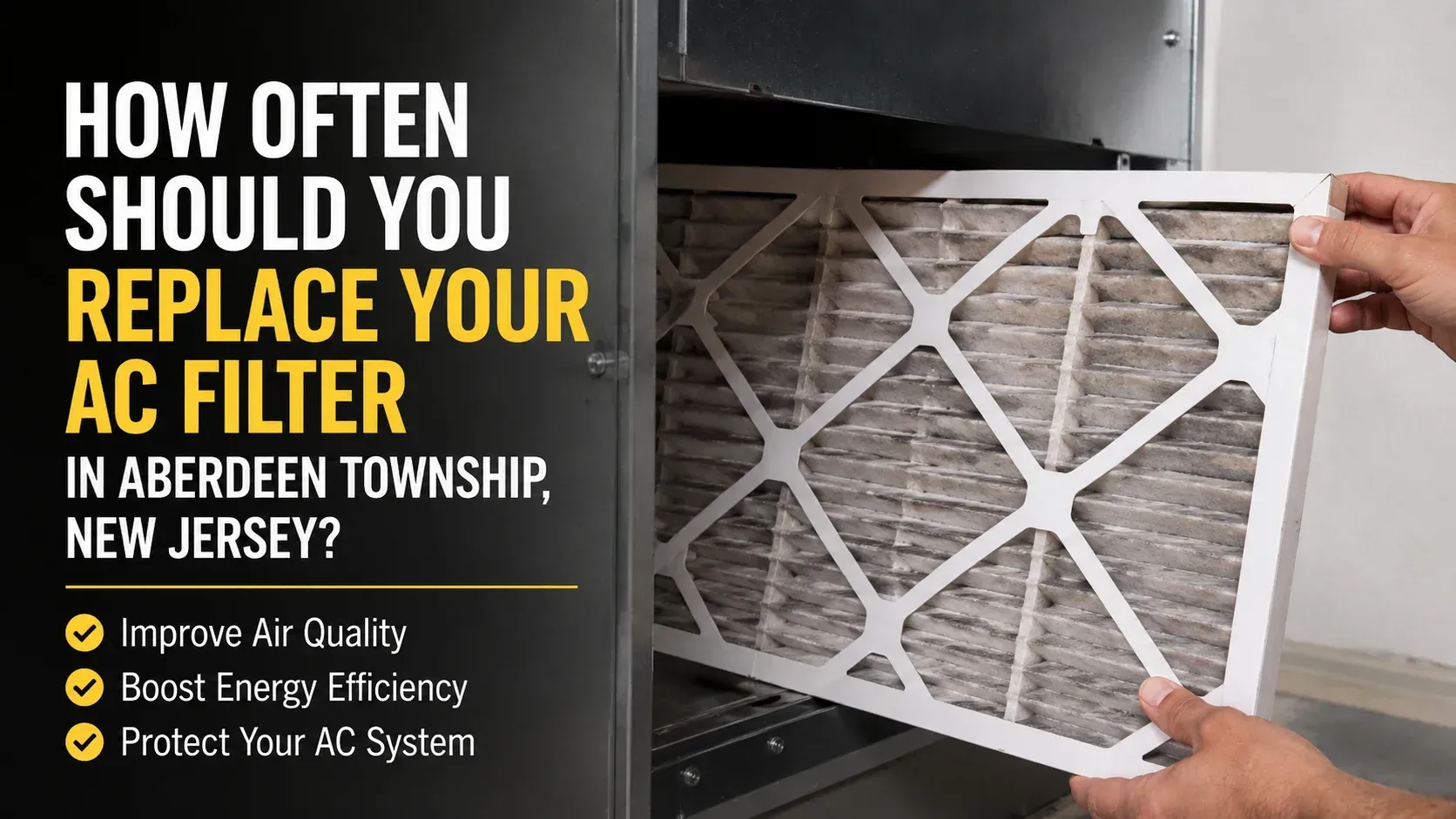
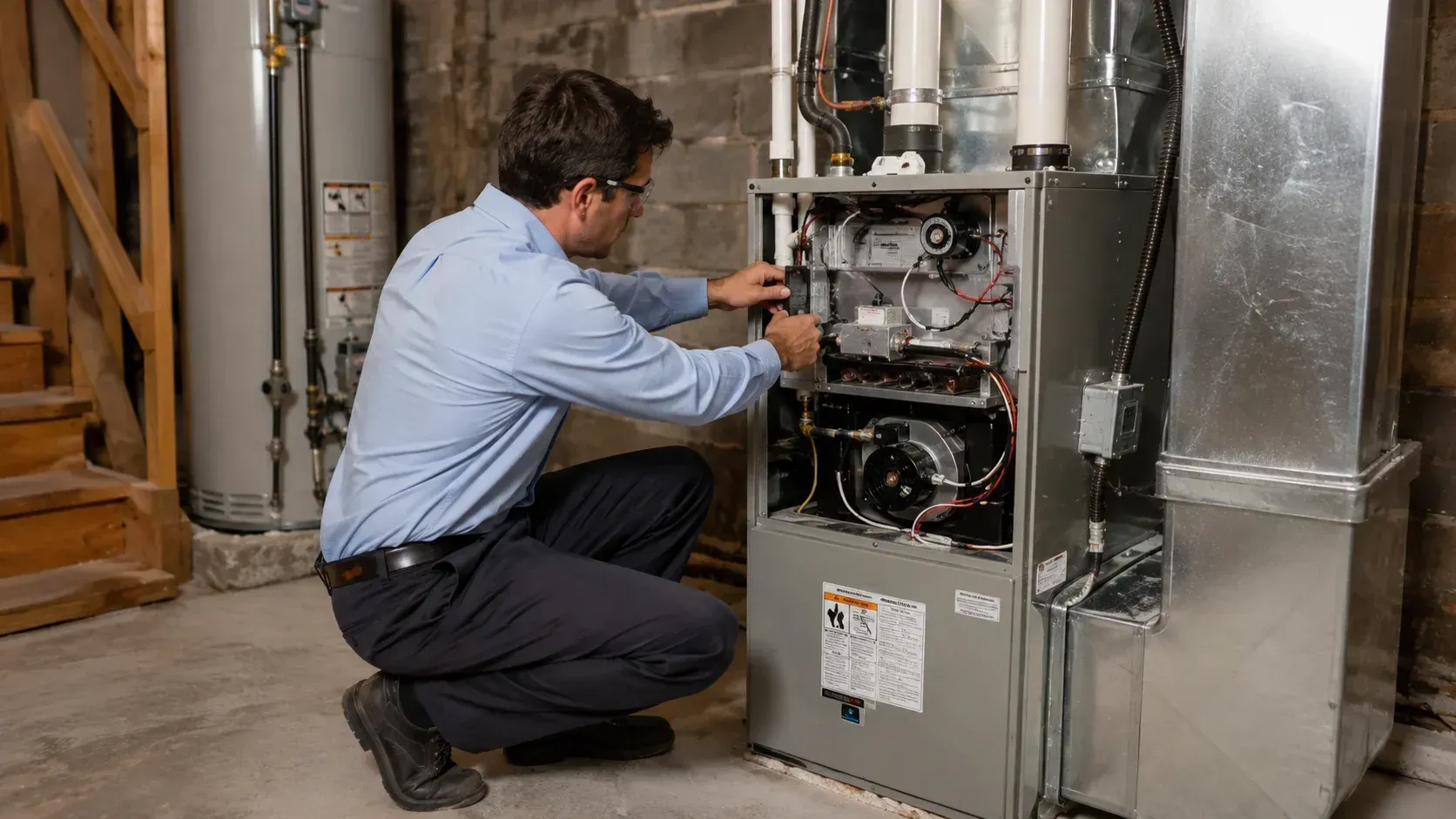
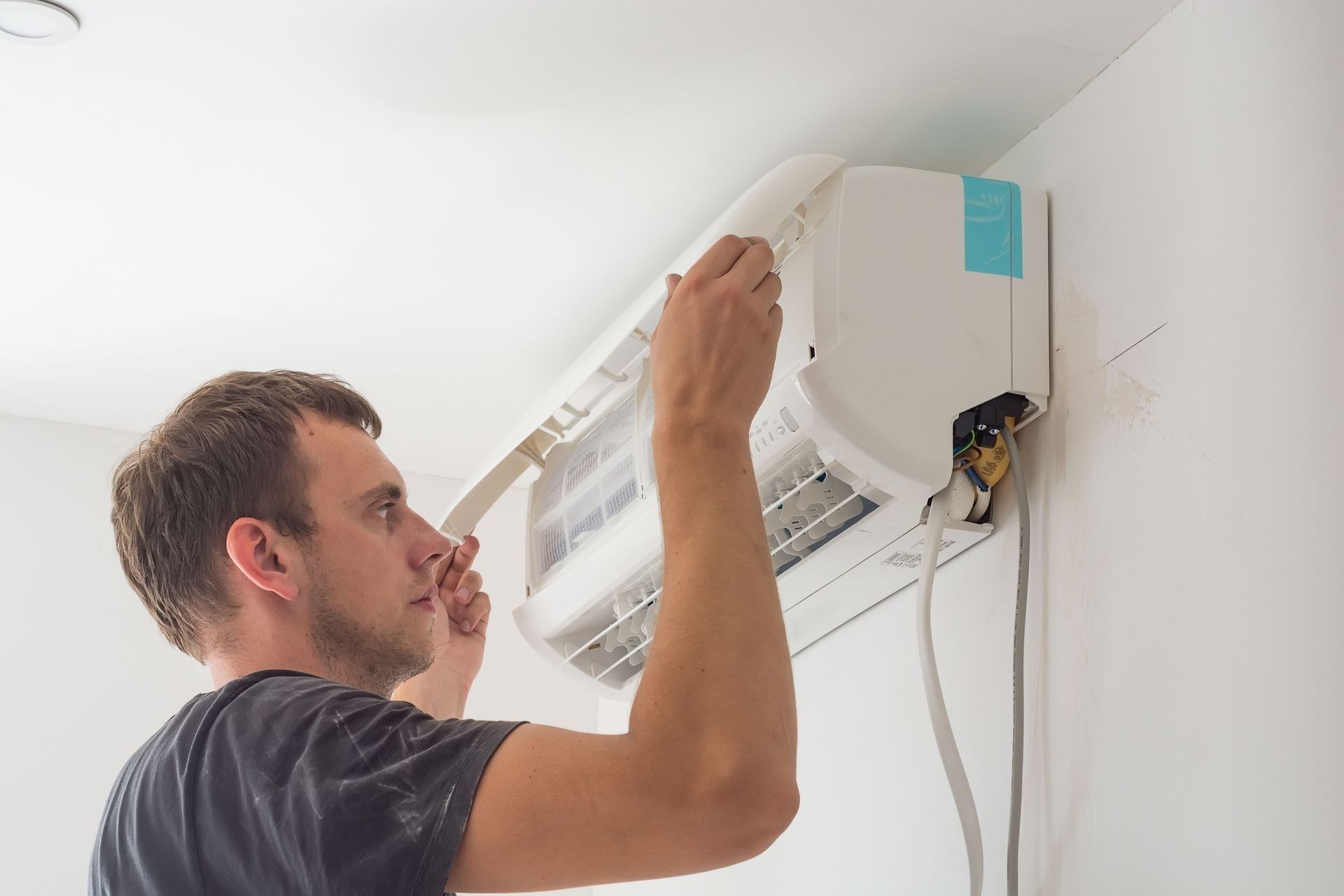
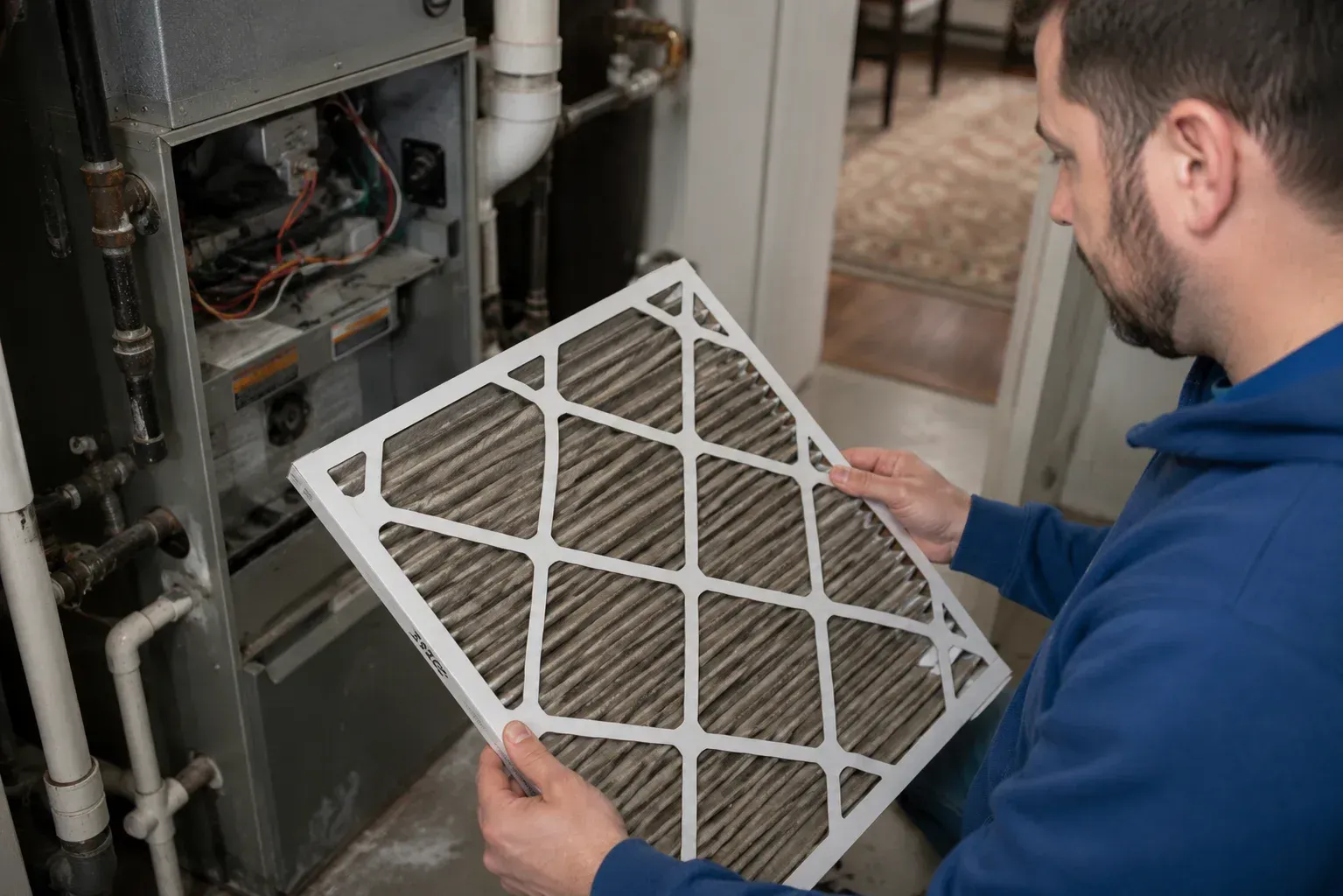
Technician replacing a air conditioner filter in a home HVAC unit, demonstrating how often should you replace your AC filter in Aberdeen Township, New Jersey.

Table of Contents

  1. Introduction
  2. What Is an AC Filter and Why Does It Matter
  3. The Standard Replacement Timeline
  4. Factors That Affect How Often You Need to Replace Your Filter
  5. Signs Your Filter Needs Replacement
  6. What Happens When You Neglect Filter Changes
  7. How to Replace Your AC Filter Properly
  8. Conclusion
  9. Frequently Asked Questions


Key Takeaways

  • Most homeowners should replace their AC filters every 30 to 90 days, depending on several household factors
  • Homes with pets, allergies, or multiple occupants may need more frequent filter changes
  • A clogged filter reduces air quality, increases energy costs, and can damage your AC system over time
  • Checking your filter monthly helps you catch when replacement is needed
  • Regular filter maintenance is one of the simplest ways to keep your cooling system running efficiently


Introduction

Most homeowners in Aberdeen Township should replace their AC filters  every 30 to 90 days, though the exact timing depends on your specific household conditions and how much you use your system. Keeping up with filter replacement is one of those maintenance tasks that doesn't seem urgent until something goes wrong - then it becomes very important.


Your air conditioning filter is working quietly in the background, catching dust, pollen, pet hair, and other particles before they circulate through your home. Over time, these particles build up and clog the filter, which forces your system to work harder. A well-maintained filter keeps your indoor air cleaner, helps your AC run more efficiently, and can save you money on energy bills. For Aberdeen Township residents dealing with varying humidity and seasonal air quality changes, staying on top of filter replacement is especially worthwhile.


What Is an AC Filter and Why Does It Matter

Your AC filter is a simple but crucial component of your cooling system. It sits in your air handler or furnace and catches particles as air flows through your system. The denser the filter material, the more particles it traps - and the more often it needs to be changed.


Not all filters are the same. Filters have a MERV rating, which stands for Minimum Efficiency Reporting Value. This rating tells you how effectively the filter catches particles. Standard fiberglass filters typically have a MERV rating of 4 to 6. Higher-rated filters (MERV 8 to 13) capture more particles, including smaller ones like pollen and dust mites. The tradeoff is that higher-rated filters also fill up faster and may need more frequent replacement.


When you run your AC, air gets pulled through the filter before it flows into your ductwork and living spaces. If the filter is clean, air moves freely. If the filter is clogged, your AC has to work much harder to pull air through it. This extra work means higher energy bills and more strain on your system.


The Standard Replacement Timeline

For most homes in Aberdeen Township, replacing your AC filter every 30 to 90 days is a reasonable guideline. Here's what that typically breaks down to:

  • Every 30 days: Homes with allergies, asthma, pets, or high air quality concerns
  • Every 60 days: Typical households with one or two people and no pets
  • Every 90 days: Homes where people spend minimal time inside, or homes with minimal dust and pet hair


If you have a 1-inch filter, you'll need to replace it more often than a 4-inch filter. Thicker filters have more surface area to collect particles, so they last longer before getting clogged. Some people switch to 4-inch filters specifically because they don't have to think about replacement as often.


The best approach is to check your filter monthly. A quick visual inspection takes 10 seconds and tells you whether replacement is needed. If you can't see light through the filter, it's definitely time to change it.

Factors That Affect How Often You Need to Replace Your Filter

Several aspects of your household and environment determine your actual replacement schedule. Understanding these factors helps you avoid replacing filters too early or too late.

Pets in Your Home

If you have dogs, cats, or other furry pets, you'll likely need to replace your filter every 30 to 60 days instead of 90. Pet hair and dander are significant contributors to filter clogging. Multiple pets mean even more frequent replacement. Some people with multiple pets change their filters monthly just to be safe.


Household Size and Occupancy

Larger households use air conditioning more, and more people mean more dust, skin cells, and other particles circulating through your system. A home with four or five people will likely need filter changes more often than a home with one person who works outside most of the day.


Allergies or Respiratory Sensitivity

If anyone in your household has allergies or respiratory conditions like asthma, you're probably running your AC more frequently to keep the indoor air quality as clean as possible. Higher-quality filters (MERV 8 to 11) are common in allergy-prone homes, and these fill up faster than basic filters. You might find yourself replacing filters every 30 to 45 days.


Local Air Quality in Aberdeen Township

New Jersey's air quality varies seasonally. Spring pollen season, summer humidity, and fall weather patterns all affect how much debris gets pulled into your system. During high pollen seasons, you may want to check your filter more frequently.


System Usage Patterns

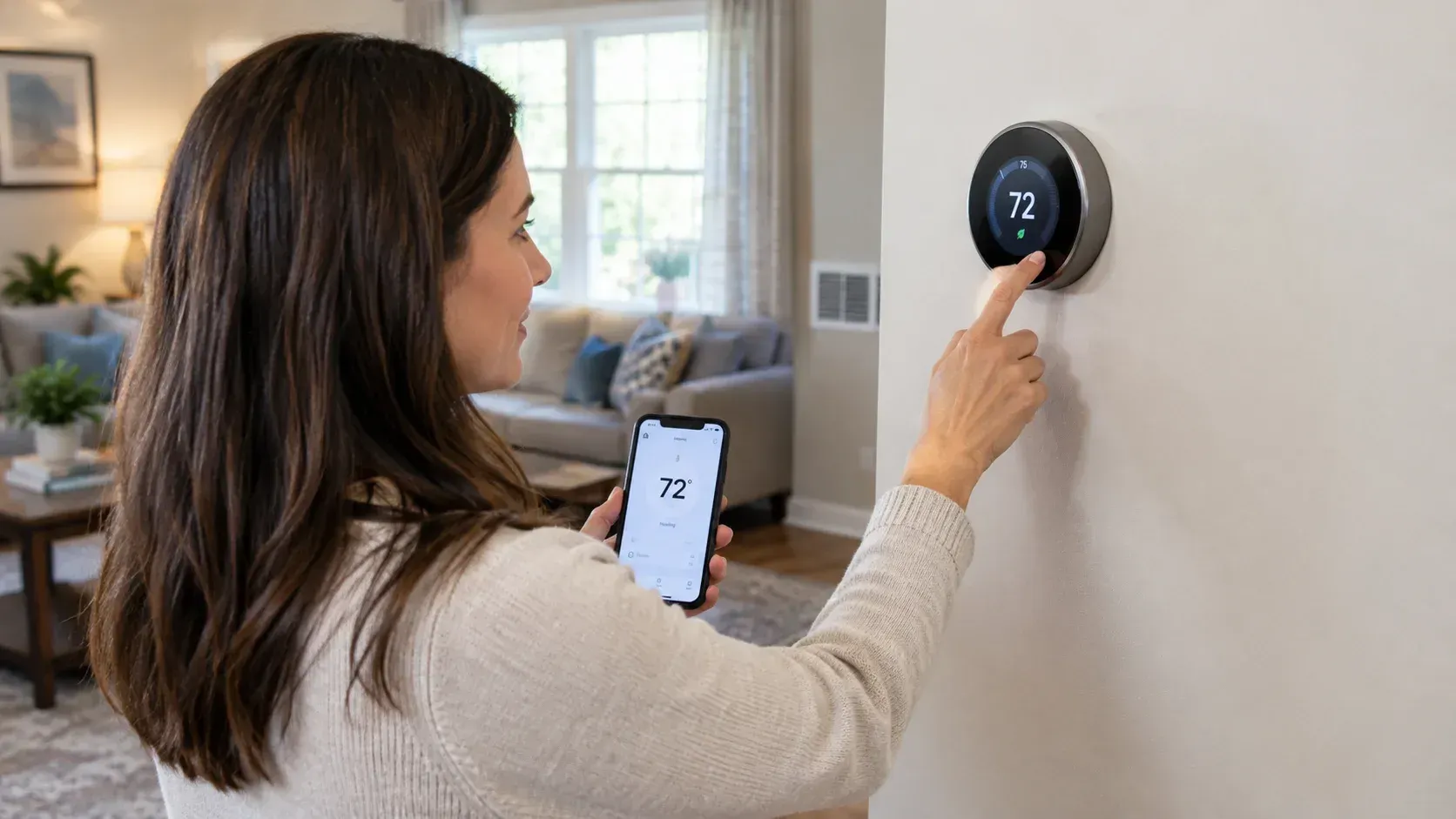
If you run your AC constantly during summer, your filter works overtime. If you use your system intermittently or set your thermostat higher to reduce cooling, your filter lasts longer. People who keep their homes at 72 degrees all summer will replace filters more often than those who keep it at 76 degrees.


Type and Quality of Filter

As mentioned, a standard 1-inch filter clogs faster than a 4-inch filter. Thicker filters have more capacity. Additionally, reusable filters have different replacement schedules than disposable ones - typically they need cleaning every 30 days rather than replacement.

Signs Your Filter Needs Replacement

You don't have to wait for a specific calendar date to replace your filter. Several warning signs tell you it's time:

Visible Dirt and Dust - If you look at your filter and see a gray or brown coating that blocks most of the light, it's clogged and needs replacement.


Reduced Airflow - If the air coming from your vents feels weaker than usual, your filter might be the culprit. A clogged filter restricts how much air your system can push through.


Increased Energy Bills - A clogged filter makes your AC work harder, which shows up as higher electricity costs. If your summer bills jump without a major change in usage, your filter might be the issue.


Dust Around Your Home - A struggling filter sometimes lets particles slip through, so you might notice more dust on furniture or find your home feels less clean even after vacuuming.


Visible Filter Deterioration - Fiberglass filters can tear or collapse if they're really clogged. This is a sign the filter should have been replaced weeks ago.

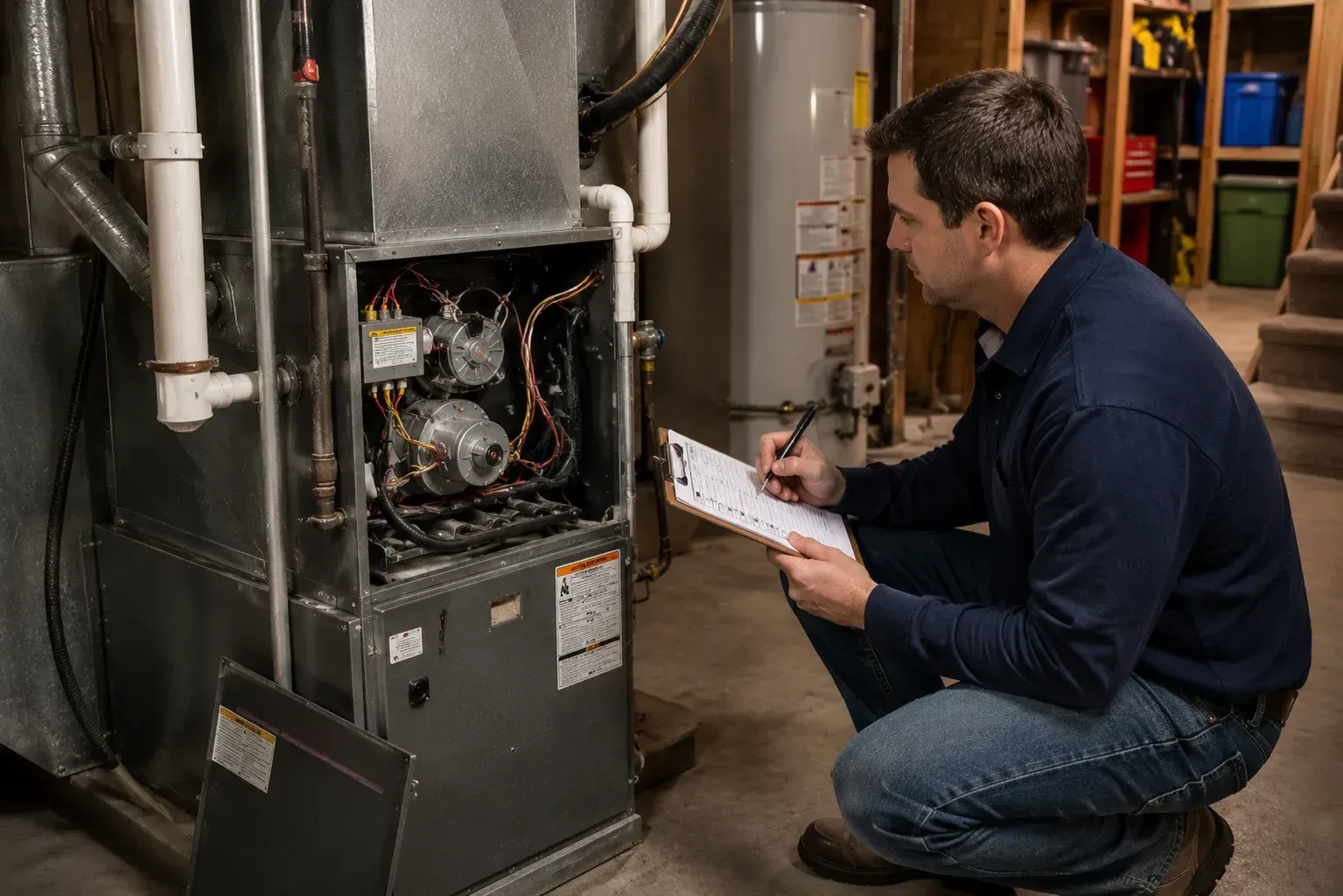
Infographic with text asking how often should you replace your AC filter in Aberdeen Township, New Jersey, showing a technician replacing a home HVAC filter.

What Happens When You Neglect Filter Changes

Skipping regular filter replacements might save you a few dollars in the short term, but it costs you in multiple ways.


A clogged filter forces your AC compressor to work much harder than it should. The motor runs longer, drawing more electricity, which directly increases your cooling costs. Over a season, this can add up to 50 dollars or more to your energy bill - far more than the cost of a few replacement filters.


When your filter is severely clogged, your system can't maintain proper airflow. This causes the evaporator coil (the part that actually cools the air) to get colder than normal. Moisture condenses on the coil and can freeze, creating ice buildup. Once you have ice on your coil, your system shuts down completely and you're without AC - in the middle of summer in Aberdeen Township, that's a real problem. If you notice issues like this, AC repairs should be addressed quickly to prevent further damage.


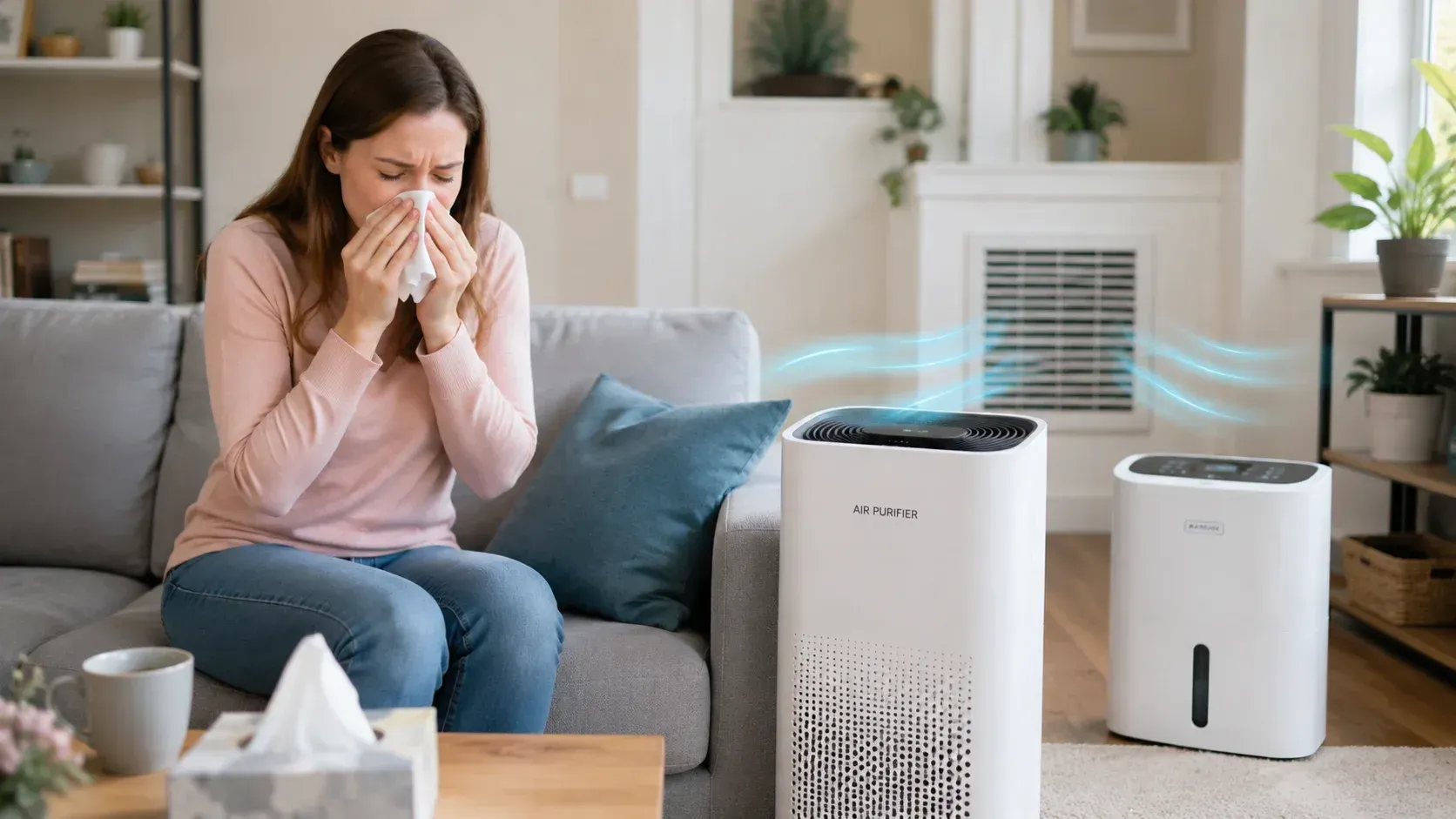
Poor indoor air quality is another consequence. A clogged filter can't catch particles effectively, so more dust, pollen, and allergens circulate through your home. This is especially problematic for people with allergies or respiratory sensitivities.


Finally, the extra strain on your system shortens its lifespan. An AC unit that runs hard year after year because filters weren't maintained regularly will need replacement sooner than a system that's been properly maintained. Given that a new AC system costs thousands of dollars, skipping filter replacements is false economy.


How to Replace Your AC Filter Properly

Replacing your AC filter is straightforward and something most homeowners can handle without a technician.


First, turn off your AC system or set it to fan-only mode. This prevents dust from circulating while the filter slot is open. Note the size and type of filter your system uses - you'll find this printed on the filter itself or in your system manual. Common sizes are 16x25x1, 16x25x4, or 20x25x1, but many variations exist.


Second, locate your filter. It's usually in a return air duct or blower compartment. You might find it in a basement, attic, garage, or utility closet depending on your home's layout. If you have trouble finding it, check your system manual or call a local HVAC technician who can point you to it.


Third, slide the old filter out carefully. Notice which direction the arrow on the filter is pointing - this indicates airflow direction. This detail matters for proper installation.


Fourth, slide the new filter in the same orientation, with the arrow pointing toward your system (not toward the return air). Make sure the filter fits snugly without gaps around the edges. Air will take the path of least resistance, so any gaps mean unfiltered air is bypassing your new filter.


Finally, mark your calendar for your next check. Set a phone reminder if that helps you stay consistent.


If you're uncomfortable doing this yourself, or if your filter is in a tight space, many HVAC companies offer filter replacement as a simple service. The cost is minimal and provides peace of mind.


When to Call a Professional

While filter replacement is DIY-friendly, certain situations warrant professional help. If you can't locate your filter, don't understand your system's configuration, or notice issues like ice buildup, unusual noises, or weak airflow even after changing the filter, contact a qualified technician. Breeze Heating and Air Conditioning offers residential HVAC services and can help diagnose issues beyond simple filter replacement if needed.


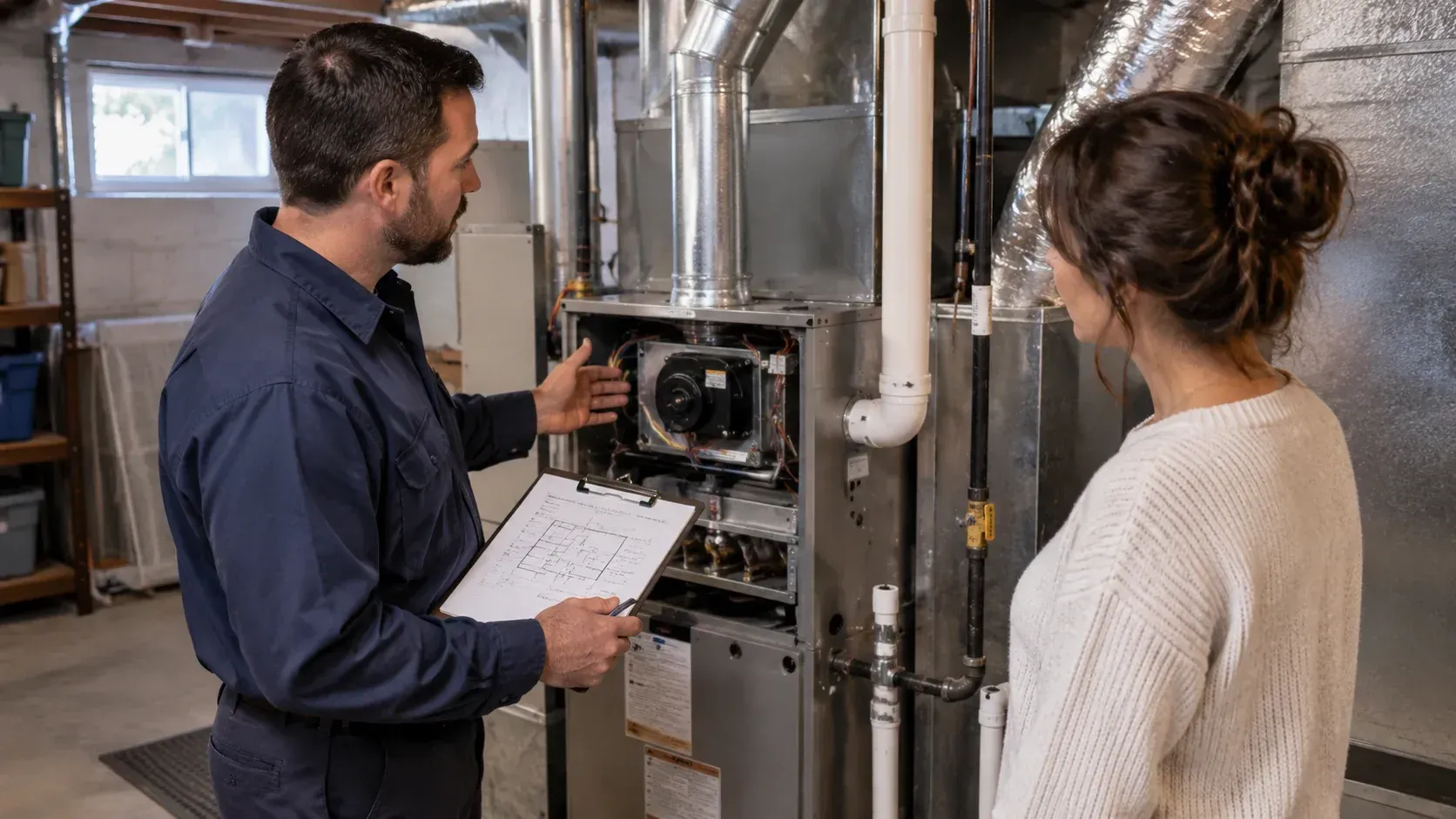
A technician can also inspect your entire system to make sure nothing else is limiting your airflow or causing efficiency problems. Sometimes what feels like a filter problem is actually something more complex. Regular AC maintenance can identify small issues before they become expensive repairs.


Conclusion

Replacing your AC filter regularly is one of the simplest maintenance tasks you can perform, yet it has an outsized impact on your system's efficiency, your home's air quality, and your wallet. Most Aberdeen Township homeowners should plan on filter replacements every 30 to 90 days, depending on household factors like pets, allergies, occupancy, and local air quality.


The key is consistency and paying attention. Check your filter monthly, replace it when it looks dirty, and you'll avoid the bigger problems that come with neglect. This straightforward habit extends your AC's lifespan, keeps your energy bills manageable, and helps maintain clean indoor air quality for you and your family.


Your air conditioning system has been working hard to keep your home comfortable all summer. Keeping the filter clean is how you show it some respect in return.


If you'd like guidance on your specific system's maintenance needs or have questions about your AC setup, reach out to a local HVAC professional who can review your equipment and usage patterns. Residents in Aberdeen Township have access to experienced technicians who can help with HVAC services and answer questions about your system.

Frequently Asked Questions


  • Q: How do I know what size filter my AC system uses?

    A: Look at your current filter - the size is printed on the frame (like 16x25x1 or 20x25x4). You can also check your system's manual or look at your AC unit's documentation. When in doubt, bring your old filter to a hardware or HVAC supply store and they can match it for you.

  • Q: Can I use a higher MERV-rated filter to replace my current filter?

    A: Higher MERV filters catch more particles but also restrict airflow more. Some older systems aren't designed for filters above MERV 8 or 10. Using too high a MERV rating can actually strain your system. Check your AC manual or ask a technician what rating is safe for your equipment.

  • Q: What's the difference between 1-inch and 4-inch filters?

    A: Thicker filters have more surface area, so they accumulate dust more slowly and last longer before needing replacement. A 4-inch filter might last 6-12 months compared to 1-3 months for a 1-inch filter. They cost more upfront but require fewer replacements, so many homeowners find them more convenient.

  • Q: Should I buy filters in bulk to save money?

    A: Only if you're confident about your replacement schedule. Filters have expiration dates and can degrade if stored in dusty, humid, or extreme temperature environments. Buy enough for a year if you have stable storage conditions, but don't overstock.

  • Q: What should I do if my filter is clogged but I just changed it weeks ago?

    A: This suggests a bigger issue - perhaps your previous filter was already very clogged when you replaced it, or something else is adding excess dust to your system. Inspect your ductwork for leaks, check that return air vents aren't blocked, and consider having a technician evaluate your system for duct sealing or other issues.

  • Q: Is it okay to run my AC without a filter temporarily?

    A: No. Running your system without a filter allows unfiltered air to enter your ducts, coat your system's internal components with dust, and circulate particles through your home. This damages your equipment quickly. Always install a filter before running your system.

  • Q: How often should I have my entire AC system professionally serviced?

    A: Most manufacturers recommend annual maintenance, typically before cooling season begins. During this visit, a technician checks refrigerant levels, inspects electrical components, cleans coils, and ensures everything is operating safely and efficiently. Regular filter replacement is part of good maintenance, but professional servicing covers much more. If you're in Aberdeen Township, scheduling local maintenance before summer kicks into high gear is a smart approach.

Recent Posts

Technician inspecting filter to see is it time to replace or repair your furnace.
July 23, 2026
Determine if you should repair or replace your furnace in Monmouth County, NJ. Learn the costs, efficiency factors, and decision points for your heating system.
Two technicians inspecting an outdoor air conditioner unit beside a house
May 21, 2026
Your HVAC system can experience wear and tear over time leading to malfunctions or breakdowns. In such cases, it's crucial to seek professional assistance for timely and efficient repairs. In this article, we'll delve into why it's important to hire an HVAC company for repairs and explore some key factors to consider when choosing the right service provider.
May 21, 2026
Heating and cooling your home helps you to stay comfortable when the outside weather is less than ideal. Unfortunately though, keeping your home at your desired temperature isn't cheap. According to One Desk, air conditioning alone accounts for 12% of the average home's yearly energy expenditure. While you cannot eliminate all of the costs associated with heating and cooling your home, there are some HVAC service tips you can follow for household energy efficiency.