The Short Answer
A standard
furnace installation typically takes six to ten hours and is completed in a single day, though more complex jobs involving ductwork changes, electrical upgrades, or difficult access can stretch into a second day. The exact time depends on your home's setup and whether the new furnace is a direct swap for the old one or requires additional work.
For homeowners and business owners in Aberdeen Township, this timeline matters for practical reasons. You may need to plan around a day without heat, arrange for someone to be home, or coordinate with a business schedule if the property is commercial. Knowing what affects the timeline helps you set realistic expectations rather than being surprised if the job takes longer than a quick online estimate suggested.
This article walks through what a typical installation day looks like, what commonly extends the process, and how to prepare so the work goes as smoothly as possible.
What a Standard Installation Day Looks Like
A General Timeline
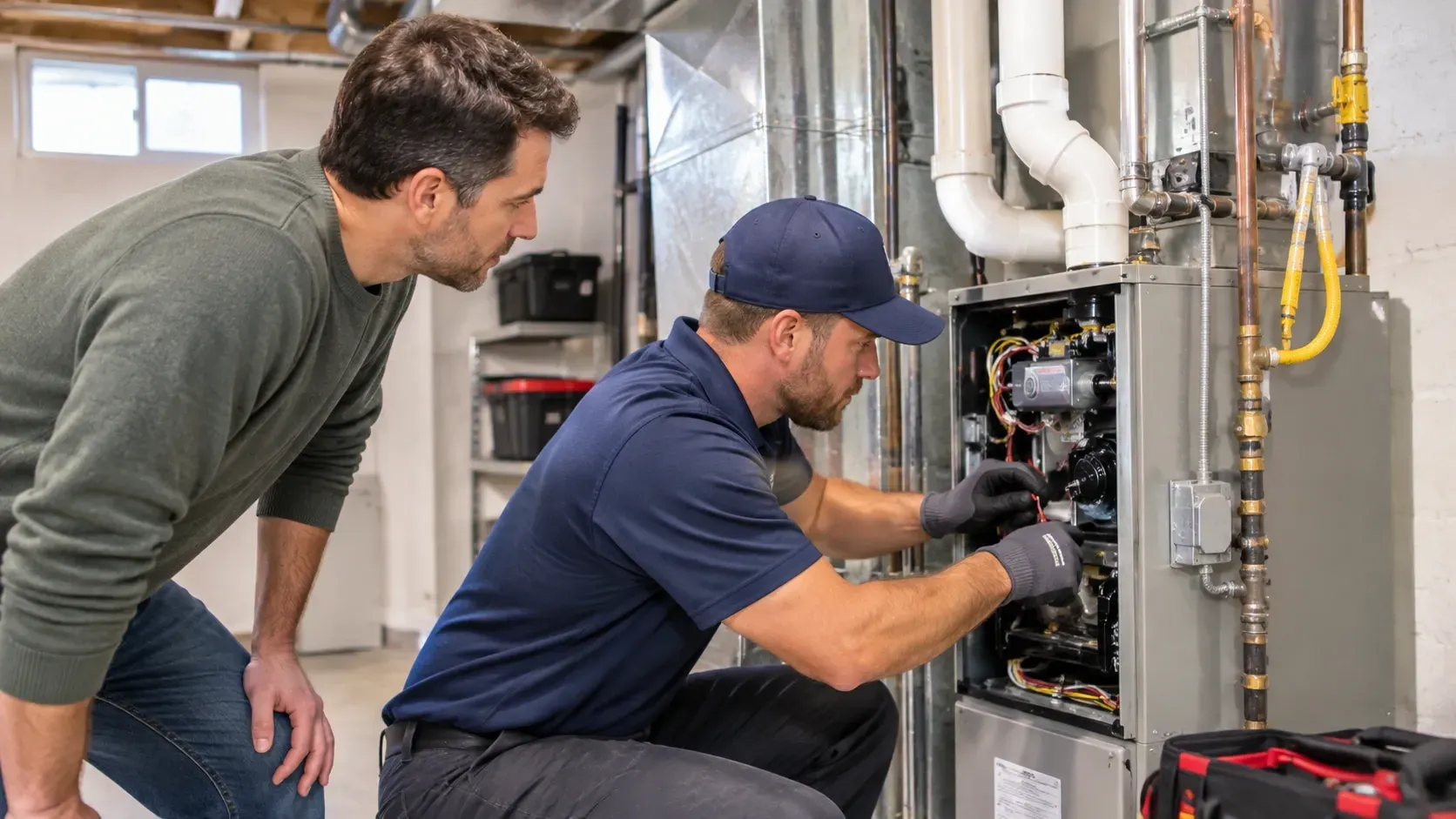
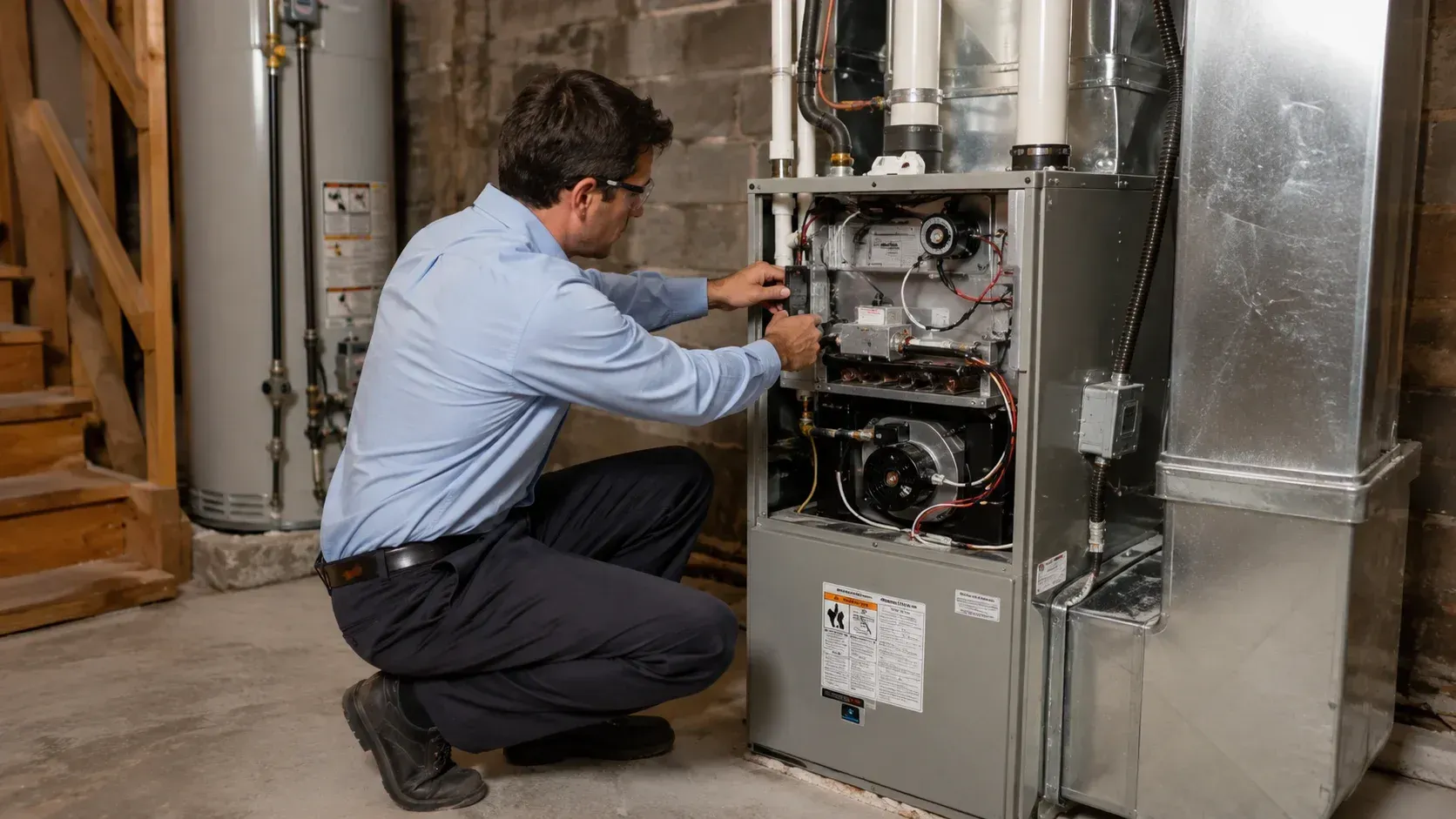
Most straightforward furnace replacements follow a similar sequence. The technician arrives, disconnects and removes the old furnace, prepares the space, installs the new unit, connects it to existing ductwork and utilities, and tests the system before leaving. A simple, direct swap where the new furnace matches the old one in size and connection type often takes between six and eight hours total.
Most residential furnace replacements in a home like those found in Aberdeen Township are same-day jobs because the connections, such as ductwork, gas lines, and electrical, are already in place from the old system. The new furnace typically connects to those same points, which keeps the work contained to a single visit.
What Can Extend the Timeline
Ductwork Modifications
Direct Answer: If your ductwork needs resizing, repair, or sealing to work properly with the new furnace, the installation can extend into a second day.
Older homes sometimes have ductwork that was designed for a different furnace size or type. When a technician discovers this during installation, addressing it on the spot, or scheduling a follow-up visit, adds time that a simple swap would not require.
Electrical or Gas Line Changes
Some higher-efficiency furnaces require different electrical connections or venting than older standard-efficiency models. If your home's gas lines or electrical panel need adjustment to accommodate the new system, this work adds hours to the process.
Difficult Access
A furnace located in a tight crawlspace, a finished basement with limited clearance, or an area that requires moving stored items can slow down both removal and installation. Access issues are one of the more common reasons a job takes longer than expected.
Permit and Inspection Requirements
Some installations in New Jersey require a permit and inspection by local building officials. While the installation itself may finish in a day, the inspection may happen on a separate visit, which does not delay your heat being restored but does extend the overall process before the job is fully closed out.
Removal, Installation, and Testing in Detail
Disconnection and Removal
The technician shuts off gas, electrical, and any water lines connected to the old unit, disconnects the ductwork, and removes the furnace from its location. This step typically takes one to two hours, longer if the unit is difficult to access or heavily corroded.
Placement and Connections
The new furnace is positioned, leveled, and connected to the existing ductwork, gas or electrical supply, and venting. This is usually the longest portion of the day, often taking three to four hours depending on how closely the new unit matches the old connection points. If the ductwork needs adjustment, a technician specializing in
ductwork fabrication
may handle that portion before final connections are made.
Confirming Safe Operation
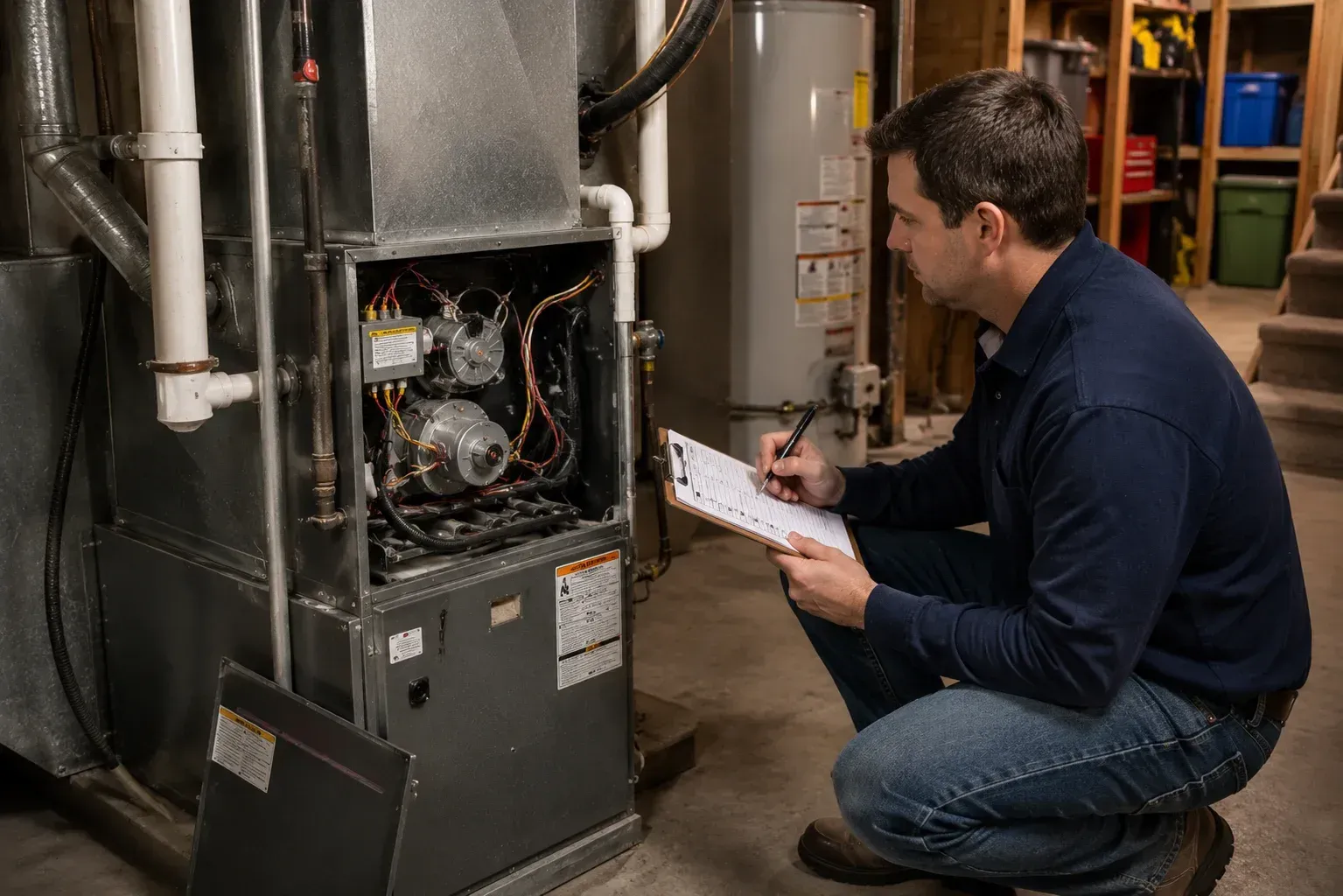
Once installed, the technician tests ignition, airflow, and safety controls, and checks for proper venting. This step typically takes thirty minutes to an hour and should not be rushed, since it confirms the system is operating safely before the technician leaves.
A Realistic Scenario
This is a hypothetical example, not a real customer case.
A homeowner in Aberdeen Township schedules a furnace replacement after their 18-year-old unit fails. The technician arrives in the morning, removes the old furnace within about ninety minutes, and begins installing the new unit. During installation, the technician notices the ductwork connection is undersized for the new furnace's airflow requirements and needs a minor adjustment.
This additional step adds roughly two hours to the job, pushing a project that might have finished by early afternoon into the early evening instead. The homeowner still has heat restored the same day, but the timeline shifted because of a detail that was not visible until the old unit was removed.
A different household with a newer, well-maintained ductwork system and easy furnace access might complete the entire process in six hours with no surprises.
What Typical Online Advice Overlooks
Same Address Does Not Mean Same Timeline
Many general guides quote a single number, such as "furnace installation takes one day," without acknowledging how much variation exists between homes. Two houses on the same street in Aberdeen Township can have very different installation times depending on how their systems were originally set up.
Hidden Issues Are Discovered During, Not Before, Removal
Some problems, like deteriorated ductwork connections or corroded gas fittings, are not visible until the old furnace is removed. Online estimates that promise a fixed timeframe cannot account for conditions a contractor has not yet seen.
Commercial Properties Often Need Scheduling Coordination
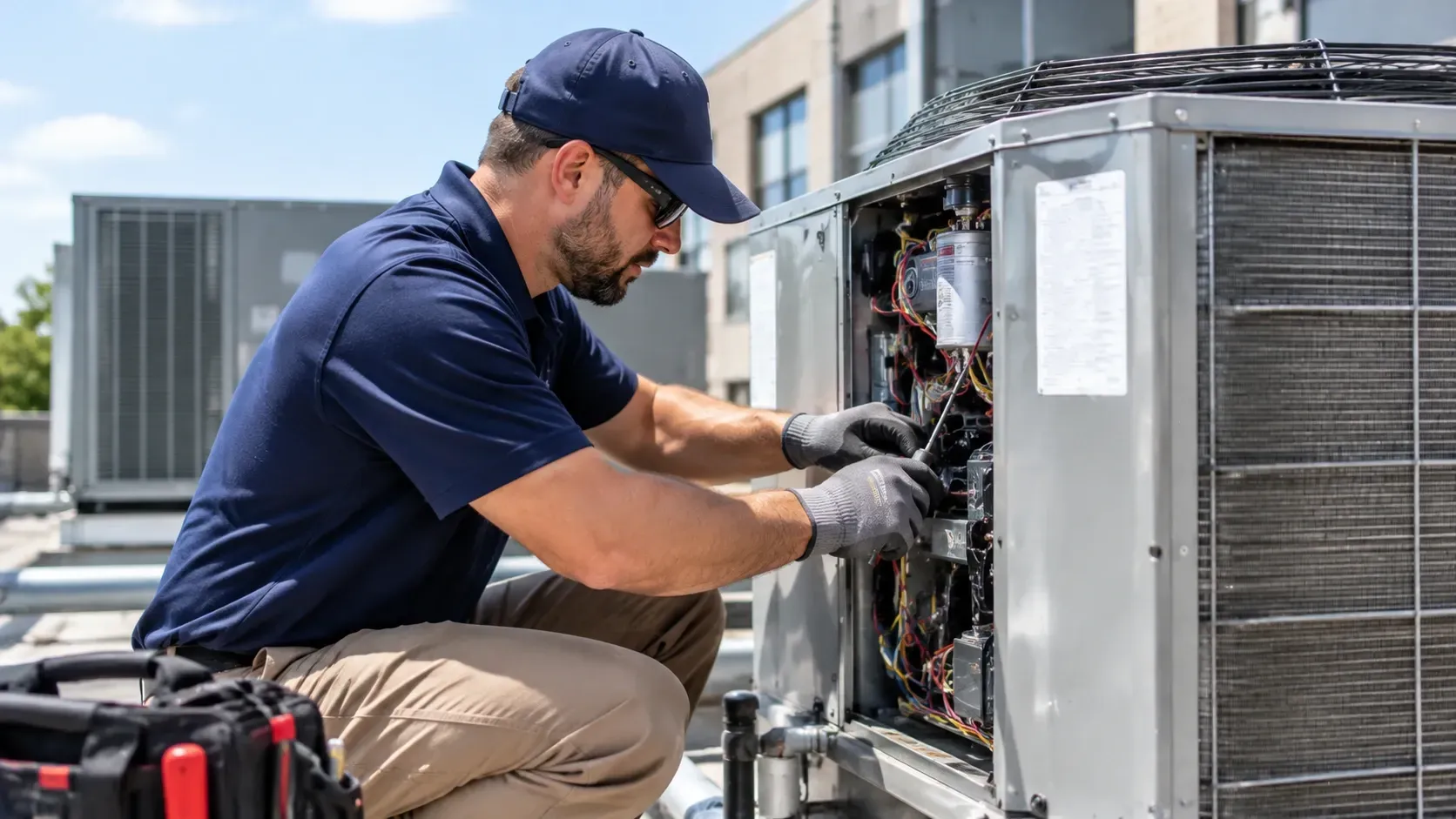
Business owners should note that a commercial furnace replacement may involve additional considerations, such as coordinating around operating hours or larger equipment. Properties with more complex heating needs sometimes benefit from
commercial HVAC management
planning rather than a standard same-day residential approach.
Common Misunderstandings About Installation Time
Common belief: Furnace installation always takes exactly one day. What is actually true: Most installations do finish in one day, but ductwork issues, access problems, or electrical upgrades can extend the job. Why it matters: Setting aside flexibility in your schedule avoids frustration if the job runs longer than expected.
Common belief: A longer installation means something went wrong. What is actually true: Extra time is often spent addressing a pre-existing issue, like deteriorated ductwork, that needed attention regardless of the new furnace. Why it matters: A contractor taking time to fix an underlying problem is generally a sign of thoroughness, not a mistake.
Common belief: You will be without heat for the entire scheduled appointment window. What is actually true: The furnace is typically offline only during the active removal and installation portion, not for the full visit if there are breaks for testing or parts retrieval. Why it matters: Understanding this can ease concerns about an extended visit, especially in colder months.
How to Prepare for a Faster Installation
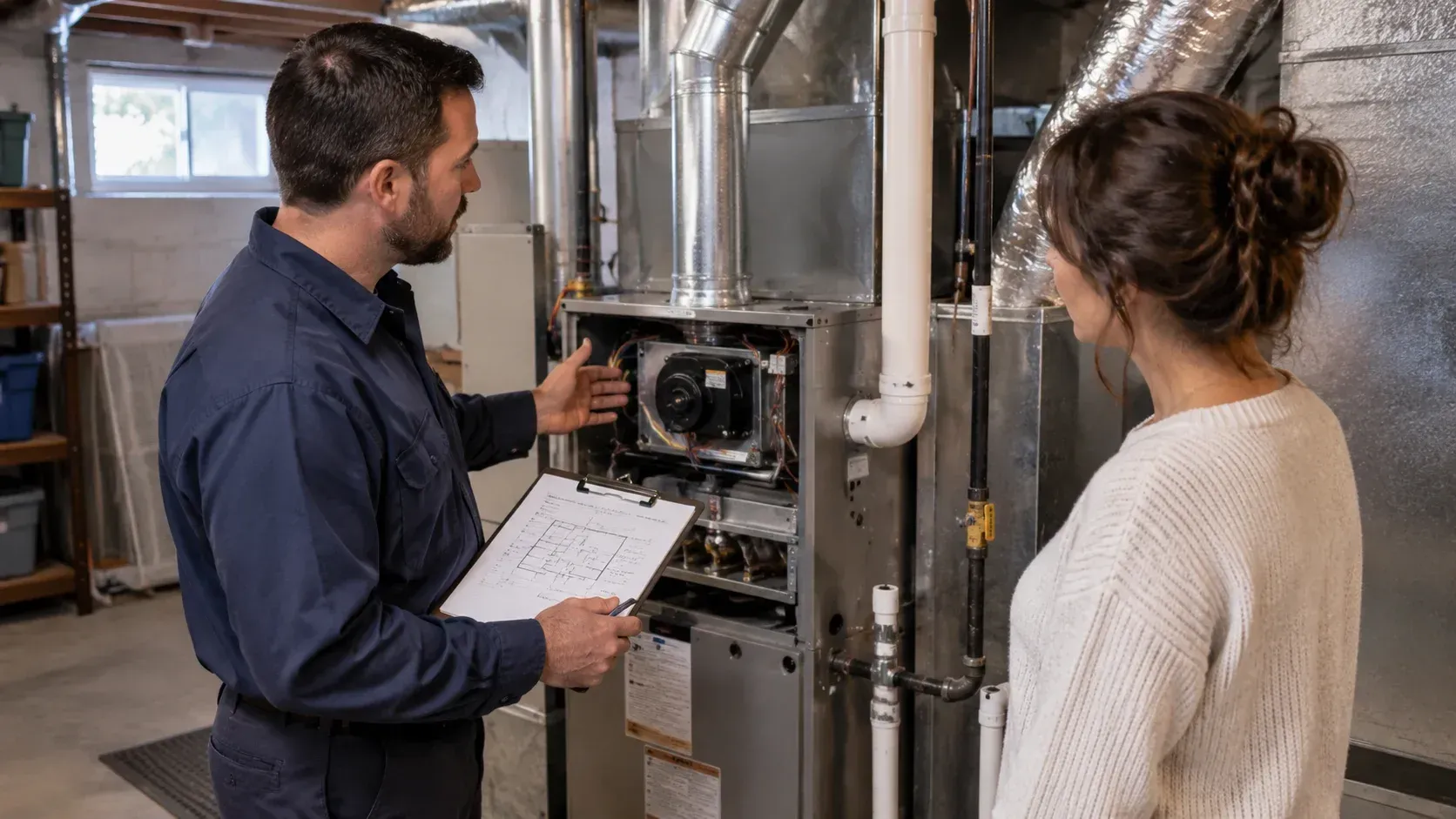
Clearing the area around your furnace ahead of time removes one common source of delay. Having your home's furnace model and any recent service records available gives the technician useful starting information. Confirming your furnace location is accessible, including removing stored items blocking the path, reduces setup time.
Asking your contractor whether they anticipate any ductwork or electrical work in advance, based on your current system's age and type, can help you set a more accurate expectation before the day of installation
Conclusion
A furnace installation in a typical Aberdeen Township home usually takes one day, generally six to ten hours, but the exact length depends on factors like ductwork condition, access to the unit, and whether electrical or gas line work is needed. Hidden issues are sometimes discovered only once the old furnace is removed, which can extend the timeline beyond initial estimates.
Preparing the work area and asking your contractor about likely complications ahead of time can help the process go more smoothly, even if the exact hours are difficult to predict with certainty.
Furnace Installation Timing Questions in Aberdeen Township
If you want to know what to expect for your specific home or business, you can
contact Breeze with details about your current system. There is no obligation to schedule anything right away, and the goal is simply to help you plan around a realistic timeline.